Heat Damaged Hair

130 products

Repair Heat Damage. Protect What's Left.
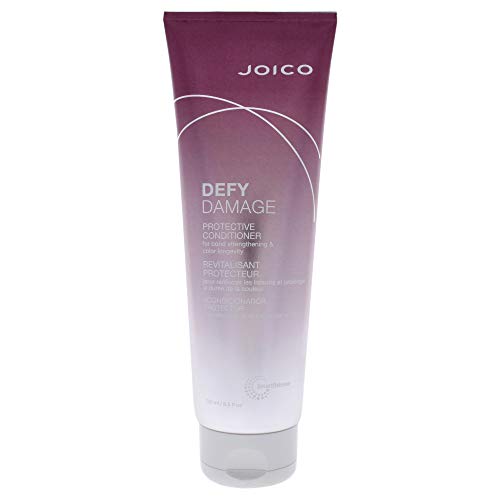
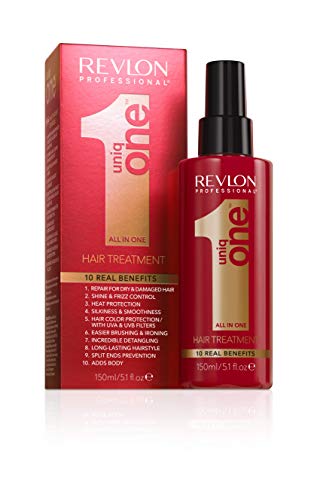
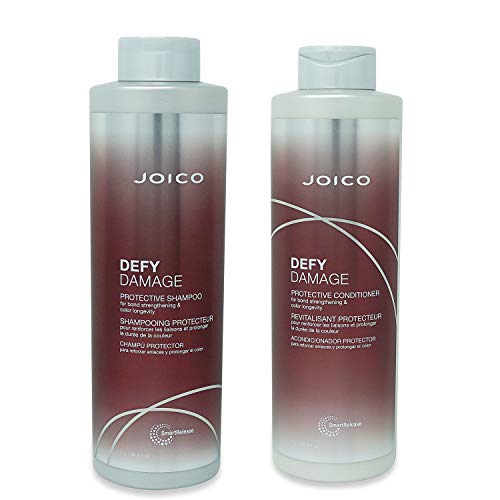
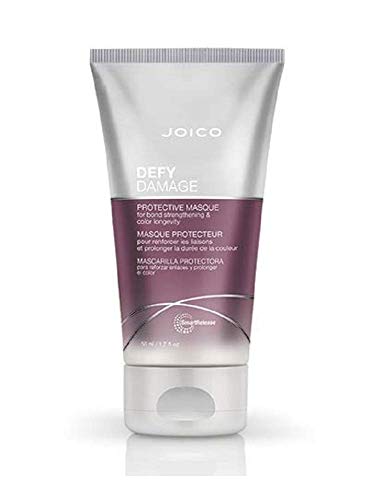
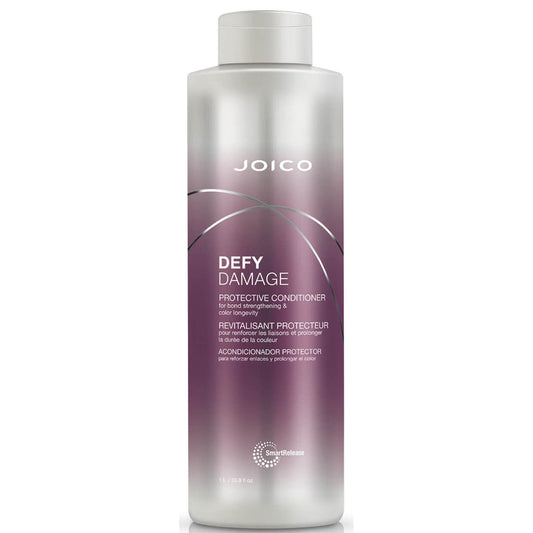
Heat tools are the most common cause of hair damage in everyday life. Flat irons, curling wands, and blow dryers — used at high heat without protection — fry the cuticle, dehydrate the cortex, and permanently denature the proteins that give hair its strength and elasticity. Heat-damaged hair is recognizable by its rough texture, inability to hold a style, split ends, and that "cooked" feeling that no amount of conditioner seems to fix. Our collection addresses both sides of the problem: repairing existing damage and providing the protection needed to stop it from happening again.

Stylist-built · coordinated step by step

Your complete routine, already thought through.

Products selected to work together—without the guesswork or visible image boxes.

Save 4%

Heat Damaged Hair

Loma Daily Routine

Formulated to address heat damage, color fade and damage. This 3-step routine gives you a complete, professional-grade regimen in one bundle. Expect reinforced protection, reduc...

Cleanse·Condition·Treat
Save 4%

Heat Damaged Hair

Pai-Shau Opulent Volume Routine

Formulated to address volume, heat damage and thinning. This 3-step routine gives you a complete, professional-grade regimen in one bundle. Expect lasting lift, fuller-looking h...

Cleanse·Condition·Style

Understanding what your hair is going through

Breakage, explained.

When pieces keep appearing on your clothes or your ends never seem to gain length, it can feel as though your hair has stopped cooperating. Breakage is not a personal failure; it is a sign that the fibre is carrying more stress than its structure can comfortably absorb.

The technical view

What is happening inside the hair

Breakage is a physical fracture along the hair shaft, not the same process as shedding from the root. Repeated heat, bleaching, friction and tight styling can wear away the cuticle and weaken the keratin-rich cortex underneath. Once stress concentrates in a fragile area, the strand splits or snaps.

Cuticle wear accumulates Cortex carries more stress Strand splits or snaps

Ingredient intelligence

The families that support this concern

These ingredient families explain the strategy. Exact ingredients and concentrations vary by formula and size, so always check the product label.

01

Hydrolyzed proteins and amino acids

Temporary reinforcement

Small protein fragments and amino acids can form a supportive film and improve the feel of porous areas. They do not make damaged hair biologically new, but they can improve resilience and handling.

02

Conditioning polymers

Friction reduction

Cationic polymers and conditioners reduce the force needed to comb and style. Less friction means fewer opportunities for a weakened strand to fail.

03

Ceramides and emollient lipids

Cuticle support

Lipid-rich conditioners lubricate the cuticle and help reduce roughness between fibres, supporting smoother movement and more flexible ends.

Realistic results

What progress can look like

After the first wash

Smoother handling

Improved slip can make detangling gentler immediately, which matters because mechanical stress is a major source of breakage.

Over several weeks

Fewer avoidable snaps

Consistent conditioning plus lower heat and less tension can reduce new breakage, even though existing splits cannot permanently fuse.

As hair grows

Better length retention

Protecting new growth and trimming severely split ends gives retained length a better chance to become visible.

Expert note: A product can temporarily reinforce and protect damaged fibre, but no cosmetic can permanently restore a split strand to its untouched state. Technique is part of the treatment.

Professional cosmetic guidance, not a medical diagnosis. Persistent scalp symptoms, sudden shedding or patchy hair loss should be assessed by a qualified health professional.

Shop Heat Damaged Hair by Range

Which Heat Damaged Hair Products Are Right for You?

Frequently Asked Questions

Can heat damage be reversed?
Partially. Heat permanently denatures some proteins in the hair shaft, which can't be fully "un-done." But bond builders (Olaplex), protein treatments, and regular deep conditioning can dramatically improve the appearance and feel of heat-damaged hair.
What temperature should I set my flat iron?
Fine or damaged hair: max 180°C (356°F). Normal hair: 185–200°C. Thick or coarse hair: up to 230°C. Always use a heat protectant, and never go over 230°C — anything hotter offers no styling benefit and only increases damage.
Do heat protectants actually work?
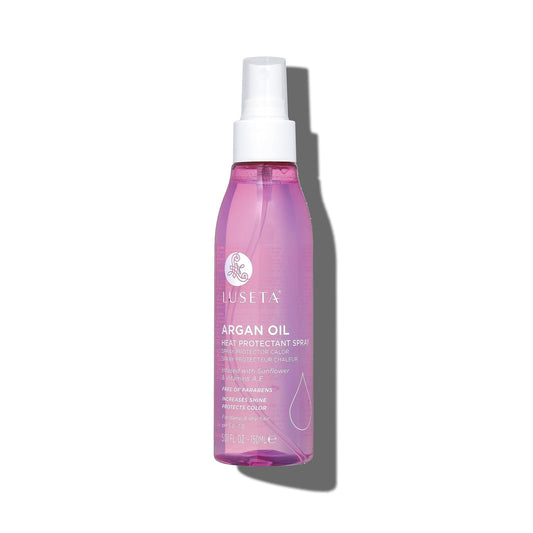
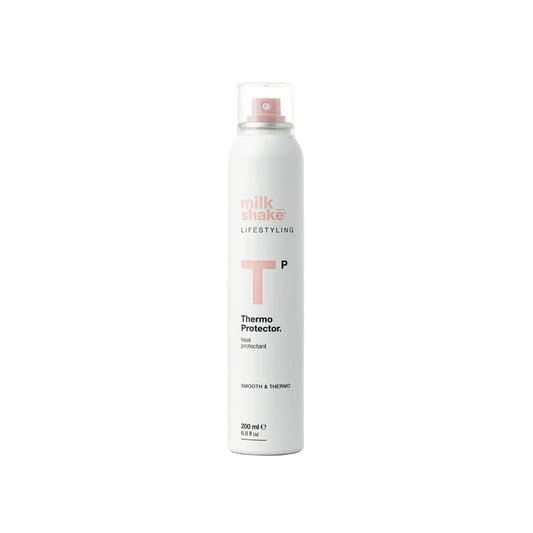
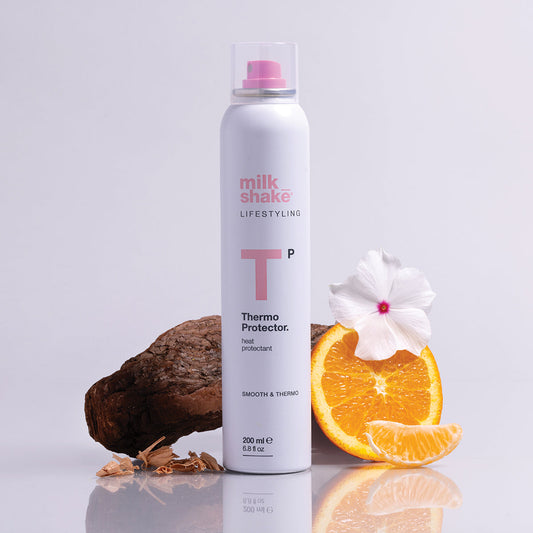
Yes. Professional heat protectants contain silicones or proteins that form a barrier over the cuticle, reducing direct heat transfer to the strand. They're not magic, but they significantly reduce the damage caused by repeated heat styling.
What should I look for in a heat protectant?
Look for: thermal protection up to 230°C, added moisturizers (panthenol, glycerin), lightweight silicones for cuticle sealing, and ideally some protein content. Avoid ones with alcohol high on the ingredient list — they cause dryness under heat.

Why Buy From ProHair?

We carry professional heat protection and repair products that aren't available at drugstores — including Moroccanoil Perfect Defence, Kenra Platinum Silkening Mist, and Redken's heat protection line — all proven to reduce thermal damage in salon conditions.