Bain de Terre
Best Routine for Damage
This routine is designed for damaged, weakened hair that needs structural repair. Using the best professional formulas in the category, you can expect stronger strands, reduced ...


Cleanse·Condition·Treat

Bleach, heat and brushing break hair from within. These are the professional formulas stylists use to reconnect bonds, refill the fibre and seal the surface. Scroll and watch a strand come back together.
They look alike and need different fixes. Moisture softens dry hair, but damaged hair needs its inner structure rebuilt. Three quick checks tell you which one you are dealing with.
A healthy hair is a bundle of keratin fibres held together by millions of bonds, wrapped in overlapping cuticle scales that lie flat like roof tiles. Flat scales reflect light. That is shine.
Bleach, heat and friction lift the scales and break the bonds inside. Gaps open in the fibre, water rushes in and out, and the strand turns porous, rough and easy to snap.
Check your damageBond builders relink broken bonds inside the strand. Proteins and amino acids are small enough to fill the gaps in the fibre, so hair stretches and springs back again.
Shop bond repairConditioners, oils and leave-ins smooth the scales back down and lock the repair in. Less friction means less new breakage, and light bounces off again.
Shop oils and serumsMost damage has a main culprit. Each one has its own page with the products that fight it.
Lightener breaks bonds to lift pigment. The lighter you go, the more you need bond repair.
Irons and dryers boil the water inside the strand and crack the cuticle, ends first.
Wet hair is at its weakest. Rough brushing and towel-drying snap it mid-length.
Reshaping services rewrite the bonds on purpose. Without aftercare, hair stays fragile.
UV, chlorine and minerals in tap water slowly oxidize hair and dull colour.
Repair is a balancing act. Too little protein and hair goes limp and gummy; too much and it turns stiff and snaps. Tell us how yours behaves and we will show you what to reach for.
You are in the sweet spot. Maintain it with a bond-repair system and alternate protein and moisture masks week to week.
We pre-selected the bestseller in every step. Swap any of them, then add the whole routine to your cart in one tap.
Honest expectations, from the first rinse to fully renewed lengths. Hair that has split cannot be glued back, but everything around it can get much stronger.
Conditioning agents coat the surface right away. Hair feels smoother and catches less on the brush. This is surface repair, and it is real.
With a repair treatment once or twice a week, bonds and gaps inside the strand start to be filled. Fewer short broken hairs is the first sign.
Consistent bond and protein care improves elasticity. Hair holds a style better and stops feeling gummy when wet.
Split ends cannot be fused back together. A small trim stops splits travelling up the strand while the healthier new growth comes in.
Hover or tap a card. The number on the back is how many products on this page carry that ingredient.
Relink the disulfide bonds broken by bleach and chemical services. The core of any bond-repair system.
The protein hair is made of. Fragments of it patch weak spots along the fibre and add strength.
Tiny enough to slip inside the strand and fill the gaps that damage leaves behind.
Draws water in and holds it, so hair feels thicker, softer and more flexible.
Holds many times its weight in water. Plumps the fibre and keeps porous hair from drying out.
Mimics the natural oils on your hair, smoothing the cuticle without weighing it down.
A buttery seal for very dry, coarse or curly damaged hair. Locks moisture in.
Helps shield hair from the oxidizing effects of UV and pollution, keeping lengths supple.
Partly, and more than most people expect. A roughened cuticle can be smoothed, and broken bonds inside the strand can be relinked with bond-building treatments. What cannot be fixed is hair that has already split or snapped: that has to grow out. The goal is to stop new breakage, bring back strength and elasticity, and make hair easier to manage while healthy growth comes in.
A bond-building treatment comes first, because bleach breaks the bonds that hold hair together. Use it weekly, alongside a bond-repair shampoo and conditioner. Our Bond Repair page groups every bond-focused product we carry.
Dry hair feels rough but still stretches and springs back. Damaged hair breaks mid-length, stretches and stays limp, or feels gummy when wet. Many people have both. Take the three-question check at the top of this page for a quick answer.
If your hair feels soft, mushy and overstretched, it needs protein. If it feels stiff, straw-like and snaps, it has had too much protein and needs moisture. Use the slider on this page to see what fits you, and alternate the two once your hair is balanced.
Once or twice a week for most damaged hair. Leave it on for the full time on the label, on towel-dried hair. Very damaged or bleached hair can start at twice a week and drop to once a week as it recovers.
Pick the routine, or take the check first. Every product here is a professional salon formula.


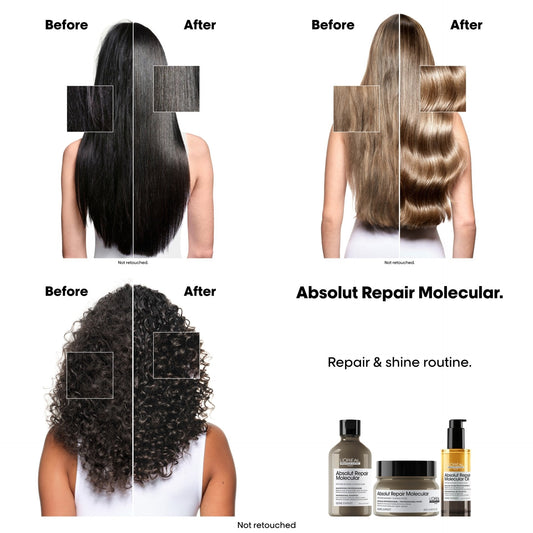


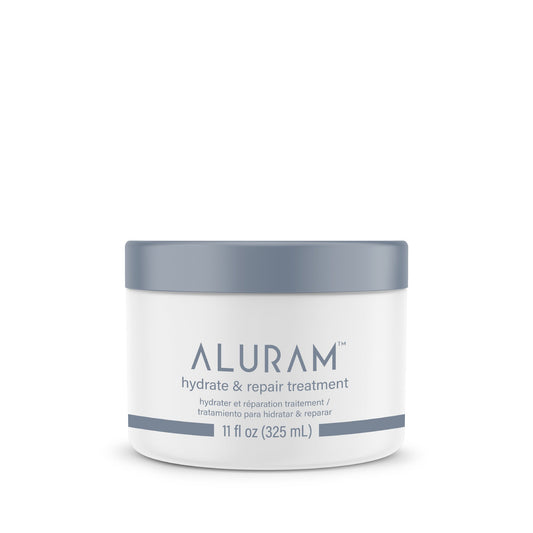
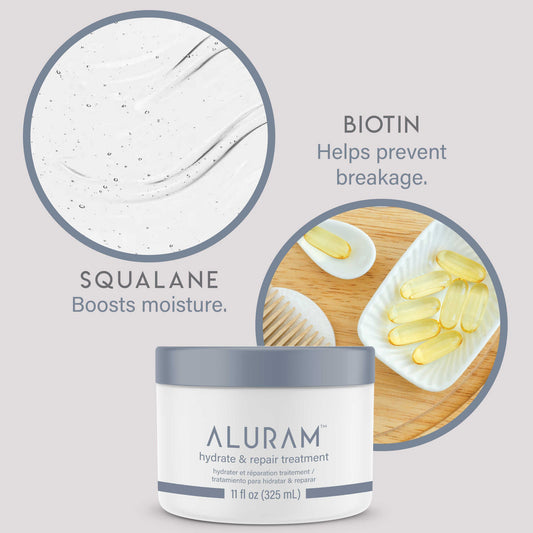
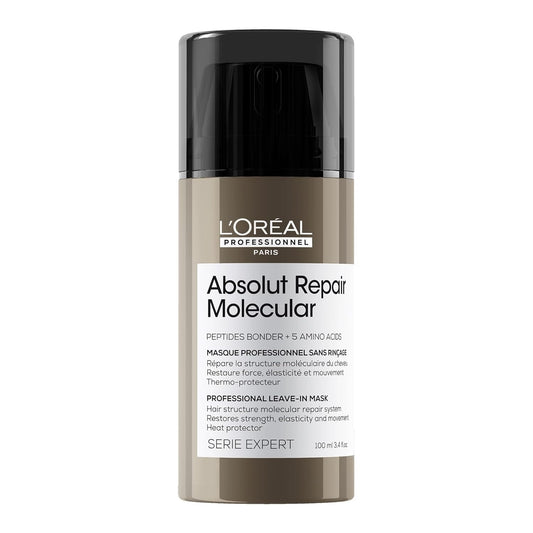




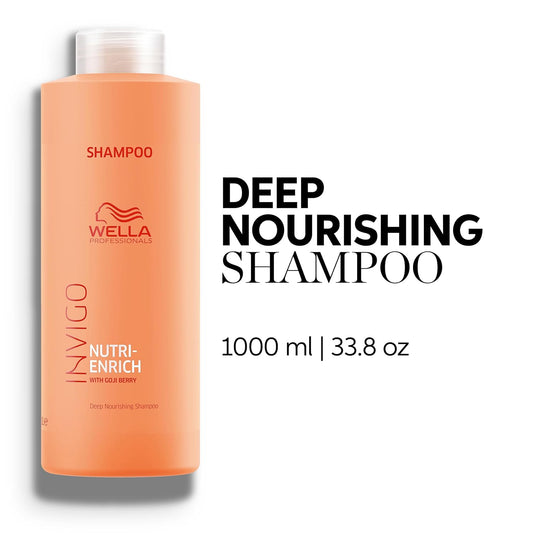

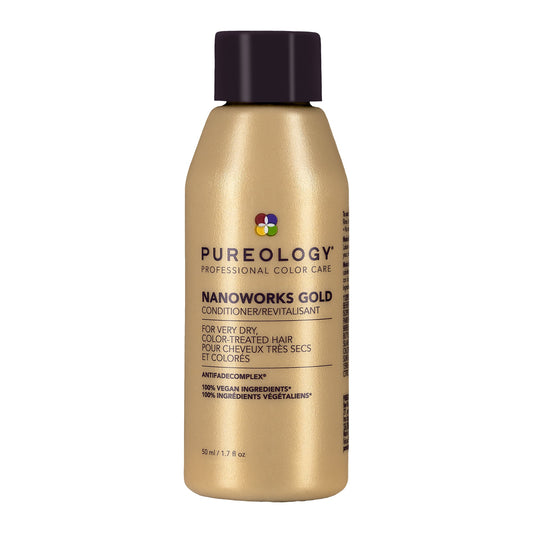
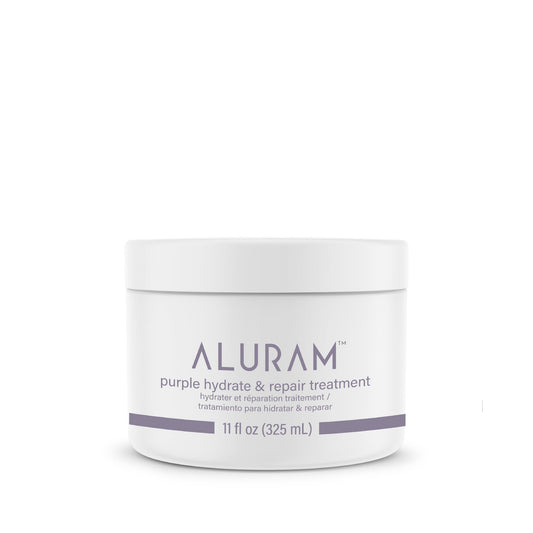
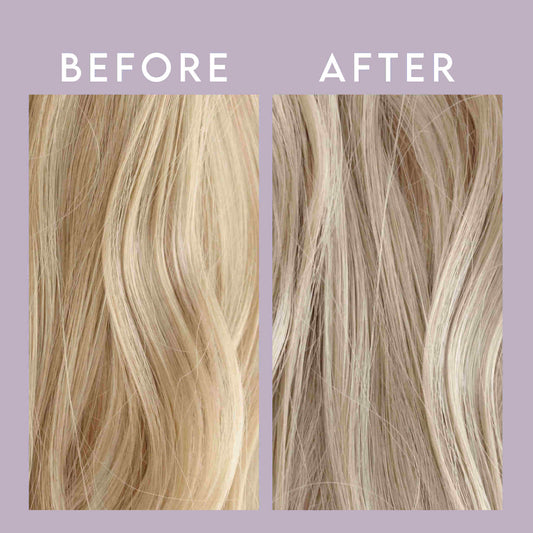


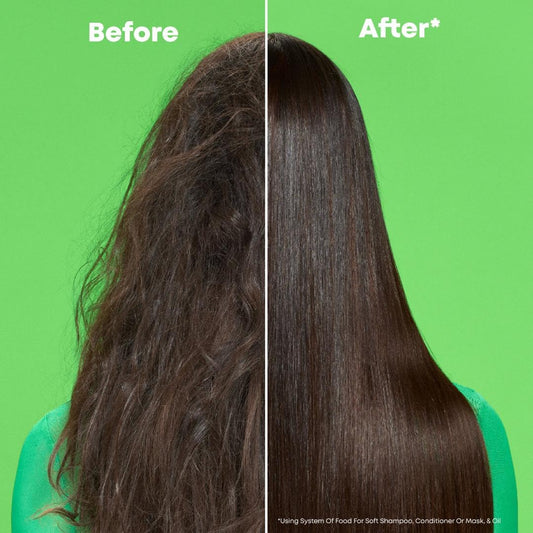

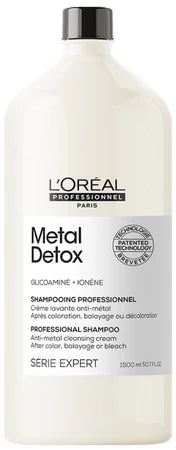


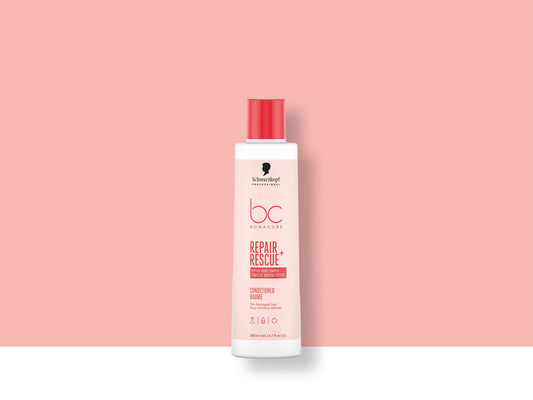
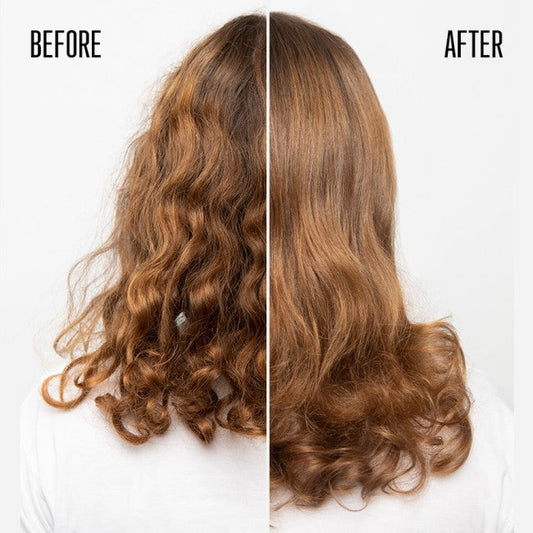
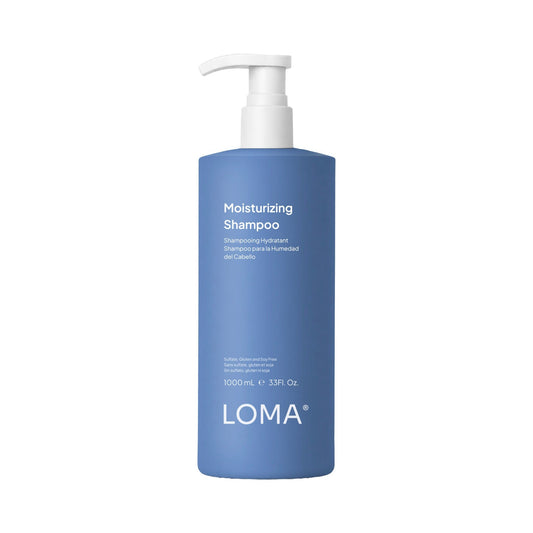
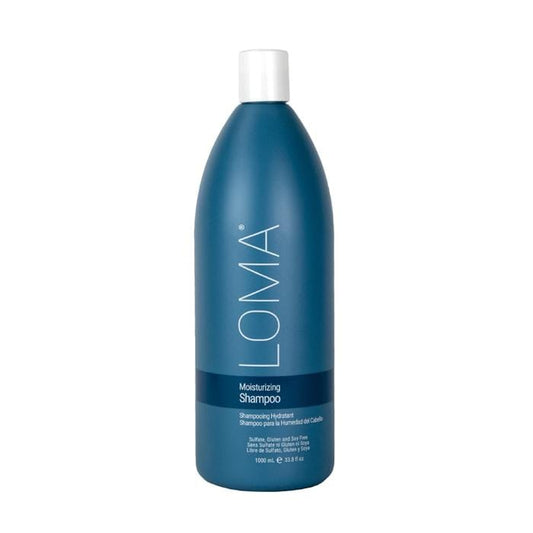
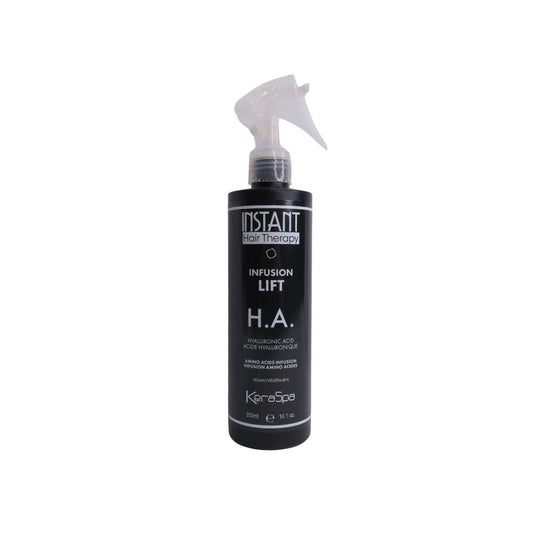


Stylist-built · coordinated step by step
Products selected to work together.
Bain de Terre
This routine is designed for damaged, weakened hair that needs structural repair. Using the best professional formulas in the category, you can expect stronger strands, reduced ...
Bonacure
Complete Bonacure Repair Rescue for split ends, dryness hair. 3 professional products working together.
Joico
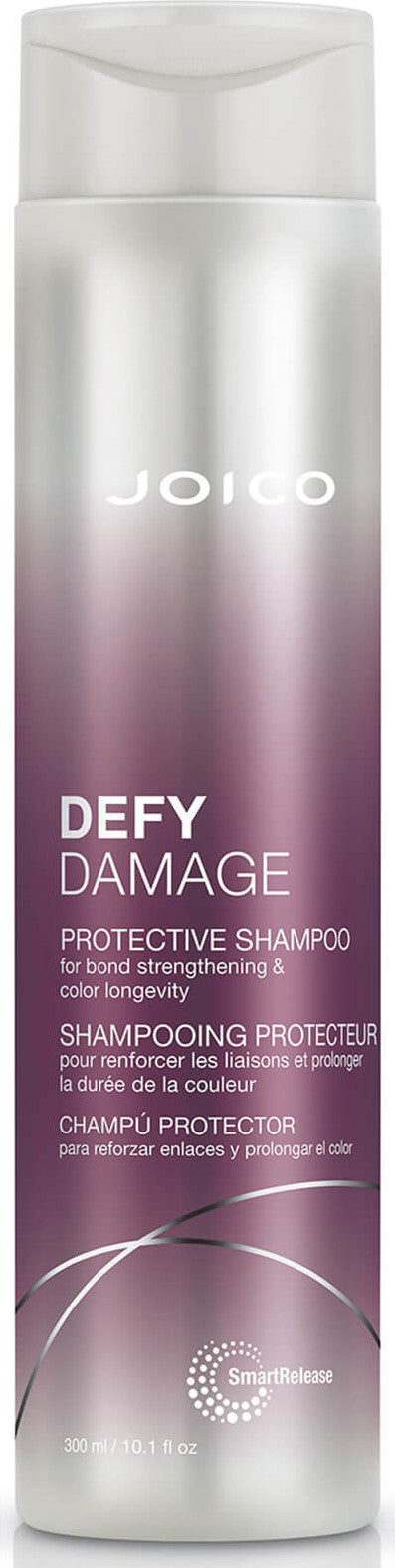
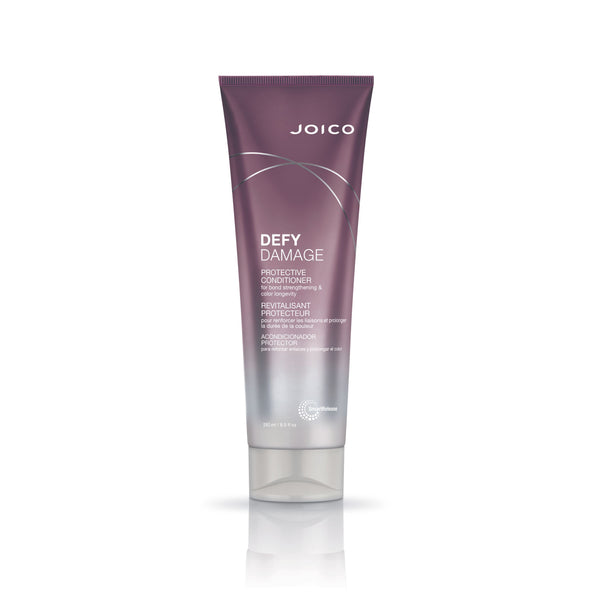
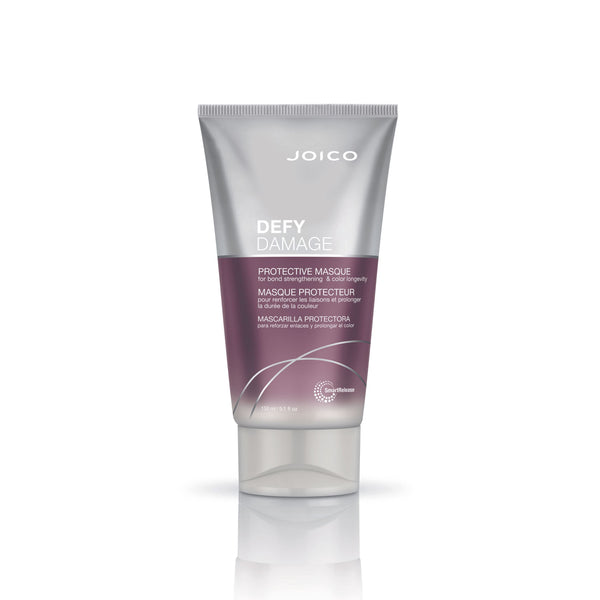
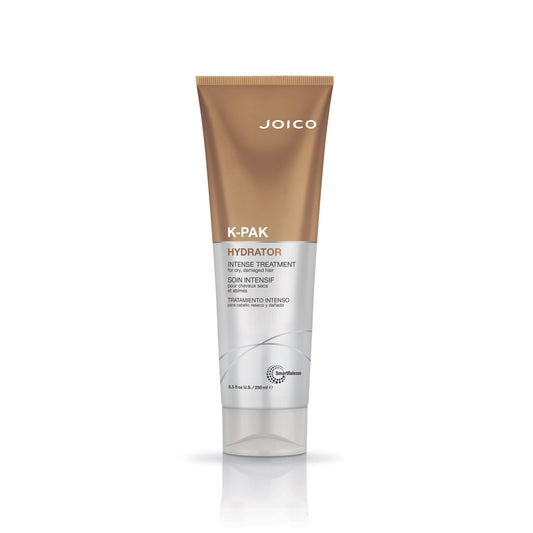
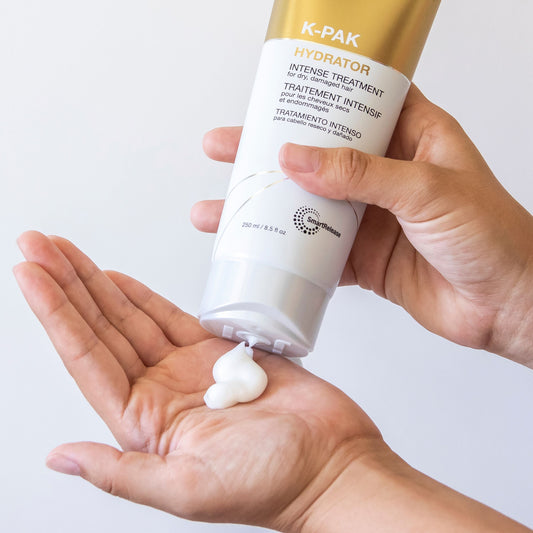
Joico's bond-building system for hair under chemical and heat stress. Every step carries Joico's SmartRelease liposome technology, delivering rosehip oil, arginine and keratin i...
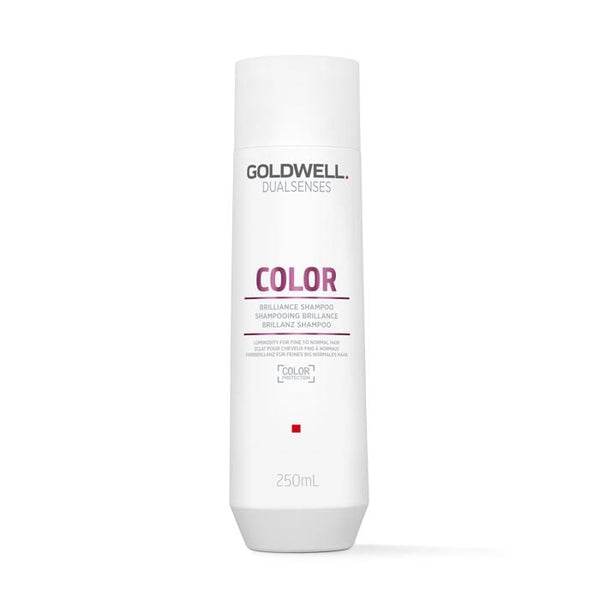
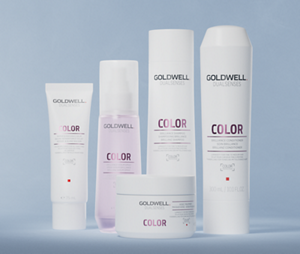
Goldwell
Formulated to address dryness, damage and dullness. Powered by Goldwell's Dualsenses instant-care technology. This 4-step routine gives you a complete, professional-grade regime...
Maria Nila
Use these 3 together. Maria Nila publishes an unusual order and means it: shampoo twice, then the masque, and finish with the conditioner. The conditioner is last because it sea...
 CleanseEvery wash, lather twice
$30.00
 TreatWeekly
$10.00
 ConditionEvery wash, after the masque
$30.00
Medavita
Medavita's oil ritual, built on an antioxidant complex of sacha inchi, moringa, sweet cyperus and linseed. It cleanses in balance rather than stripping, then layers nourishment ...
Professional By Fama
Three steps: Soothing Treatment on dry scalp before washing, Nutri Chelating Shampoo, then Instant Shield on damp hair before styling. Follow each product’s directions. Products...
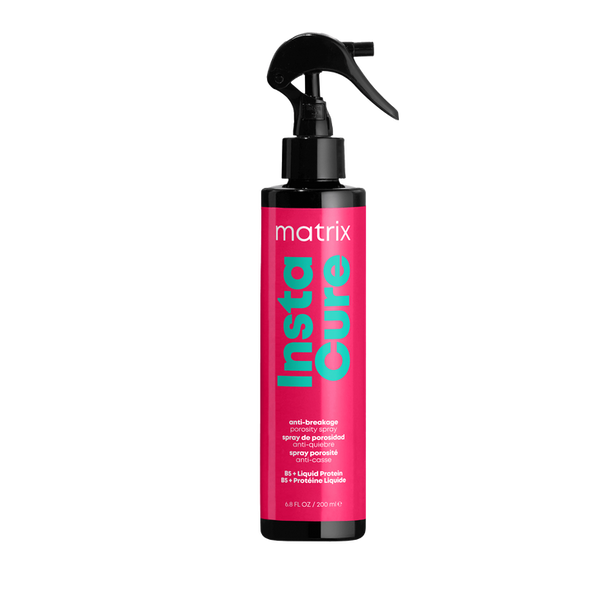
Matrix
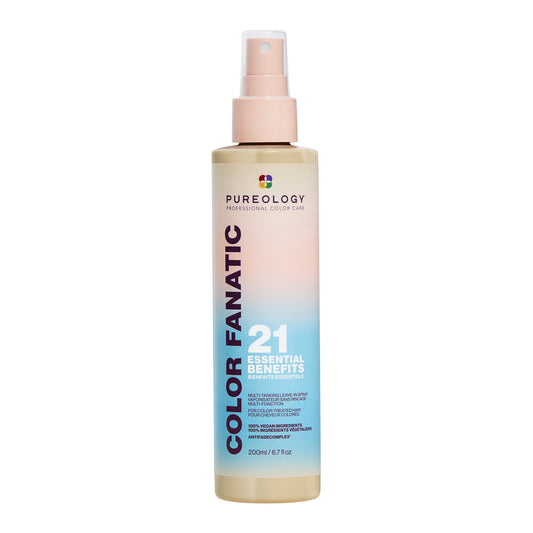
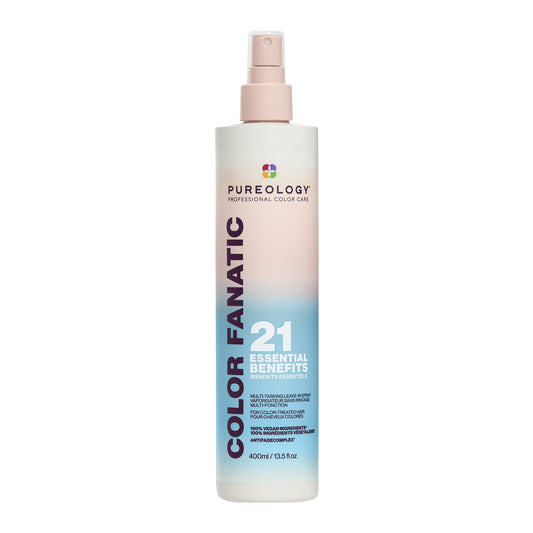
Use these 3 together. Porosity is uneven damage. The porosity spray goes last because it fills what the wash steps have just exposed.
Bonacure
Joico
Use these 3 together. Bond care is cumulative, not a one-off. The shampoo and conditioner keep the bonds protected at every wash and the masque does the deep repair weekly.
Joico
Use these 3 together. Joico's published K-PAK order is clarify, acidify, reconstruct, hydrate - buildup comes off first, because protein cannot reach a coated cuticle.
 CleanseEvery wash, 2-5 minutes to clarify
$15.00
 ConditionEvery wash
$15.00
 TreatWeekly, 5 minutes
$18.00
Joico
Use these 3 together. Joico's own Blonde Life guide is condition-triggered: brightening duo when blonde goes dull, and the masque one or more times a week when it goes dry.
Sebastian Professional
Use these 3 together. Sebastian labels the conditioner the second step in your hydration routine, and the mask is a six-minute weekly add-on rather than a fourth daily one.
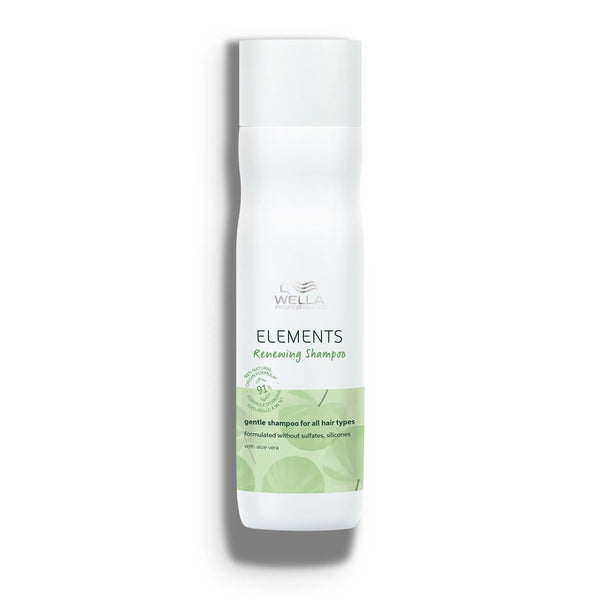
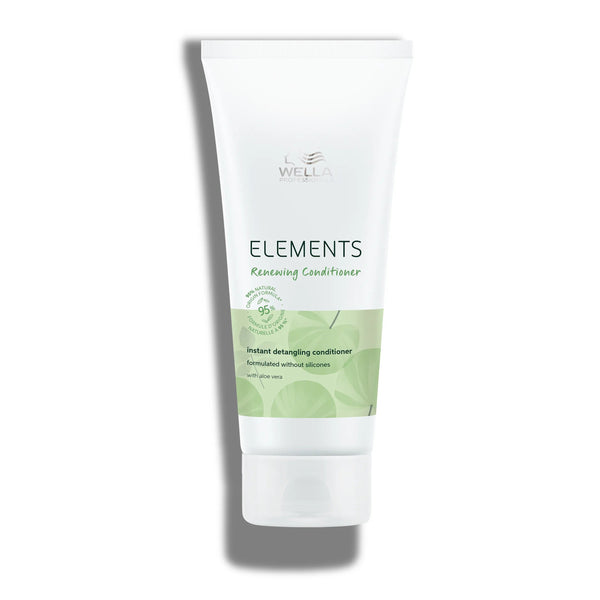
Wella Professionals
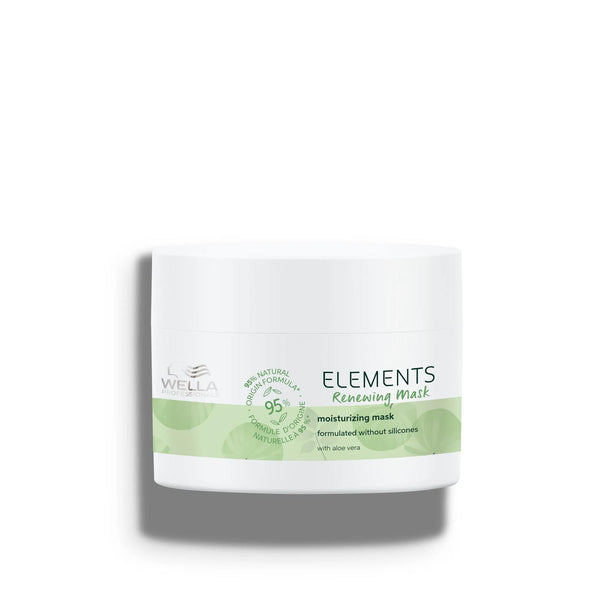
Use these 3 together. A three-step with nothing to strip it back out: wash, condition, and add the mask when hair wants extra smoothness and shine.
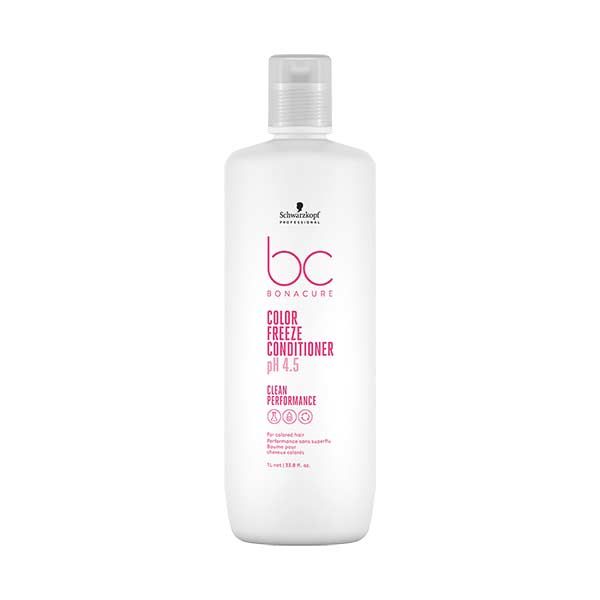
Bonacure
Use these 3 together. Damage is structural, so the order matters more here than anywhere else. The wash steps stop you losing more; the treatment is the only step doing repair, ...
Understanding what your hair is going through
When pieces keep appearing on your clothes or your ends never seem to gain length, it can feel as though your hair has stopped cooperating. Breakage is not a personal failure; it is a sign that the fibre is carrying more stress than its structure can comfortably absorb.
The technical view
Breakage is a physical fracture along the hair shaft, not the same process as shedding from the root. Repeated heat, bleaching, friction and tight styling can wear away the cuticle and weaken the keratin-rich cortex underneath. Once stress concentrates in a fragile area, the strand splits or snaps.
Ingredient intelligence
These ingredient families explain the strategy. Exact ingredients and concentrations vary by formula and size, so always check the product label.
Small protein fragments and amino acids can form a supportive film and improve the feel of porous areas. They do not make damaged hair biologically new, but they can improve resilience and handling.
Cationic polymers and conditioners reduce the force needed to comb and style. Less friction means fewer opportunities for a weakened strand to fail.
Lipid-rich conditioners lubricate the cuticle and help reduce roughness between fibres, supporting smoother movement and more flexible ends.
Realistic results
Improved slip can make detangling gentler immediately, which matters because mechanical stress is a major source of breakage.
Consistent conditioning plus lower heat and less tension can reduce new breakage, even though existing splits cannot permanently fuse.
Protecting new growth and trimming severely split ends gives retained length a better chance to become visible.
Expert note: A product can temporarily reinforce and protect damaged fibre, but no cosmetic can permanently restore a split strand to its untouched state. Technique is part of the treatment.
Professional cosmetic guidance, not a medical diagnosis. Persistent scalp symptoms, sudden shedding or patchy hair loss should be assessed by a qualified health professional.