
Pigmented and toning care
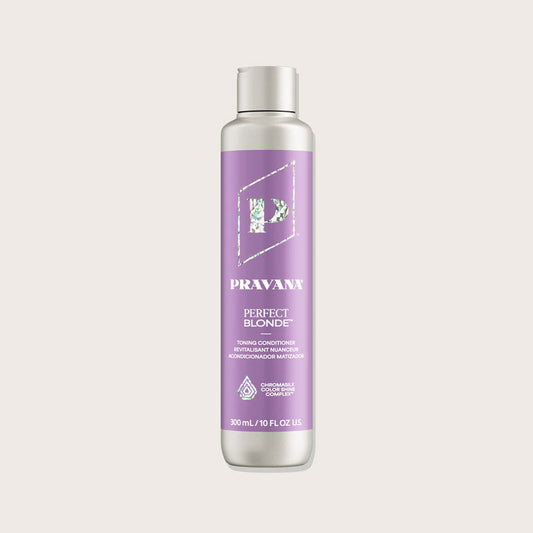
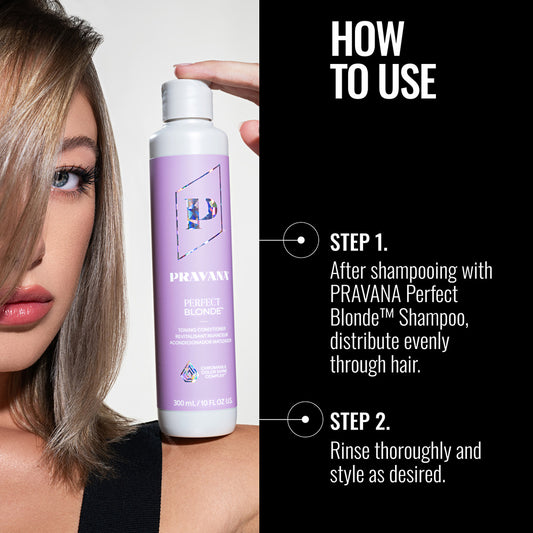
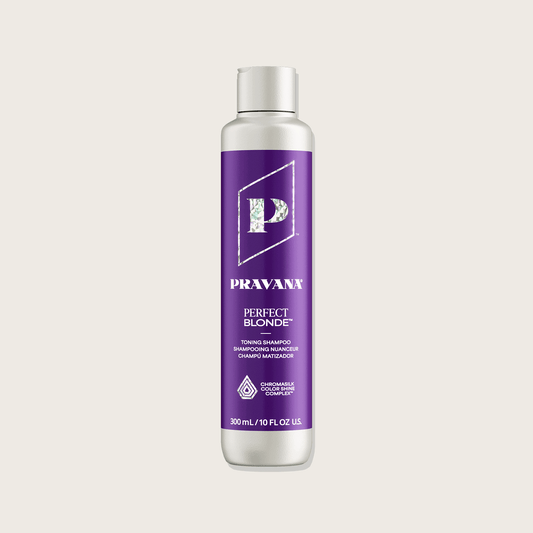
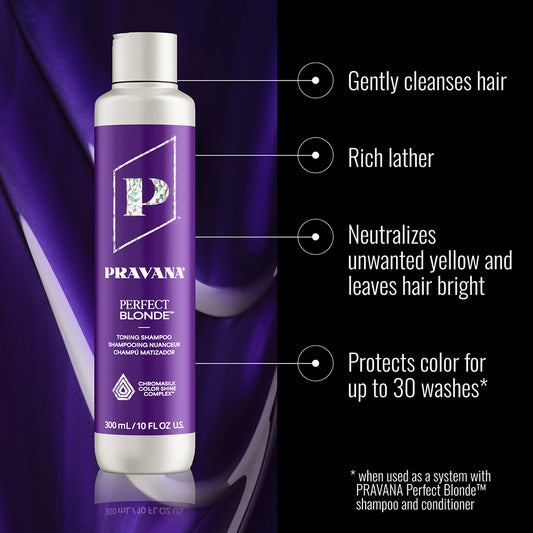
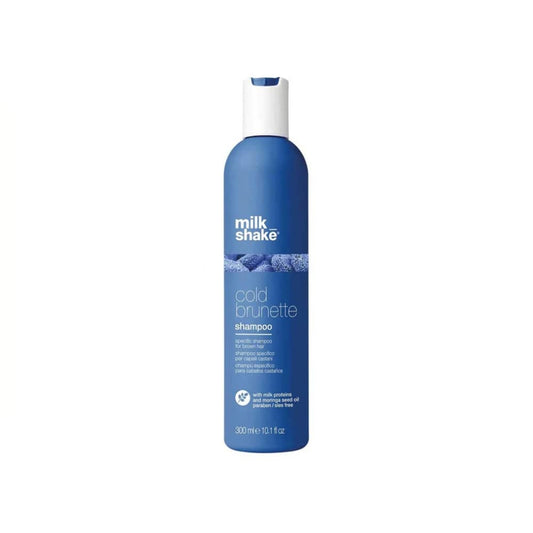
These formulas add or adjust tone as well as providing care. Match the exact shade, starting colour and contact time to the product instructions; they are distinct from ordinary colour-maintenance shampoo.

Care for colour through each wash and style
Shop by range
These formulas add or adjust tone as well as providing care. Match the exact shade, starting colour and contact time to the product instructions; they are distinct from ordinary colour-maintenance shampoo.

Compare the leave-in care and preparation products below by texture and application. Check the exact product for the amount to use and whether to apply it to damp or dry hair.

Compare soft movement, flexible control and firmer hold. Choose a styling texture for the finish you want, then use the product’s own application method.

Compare the products below for the texture, grip or separation they are designed to create. Check the required hair condition and styling step; a texture product is not automatically a cleanser or heat protectant.

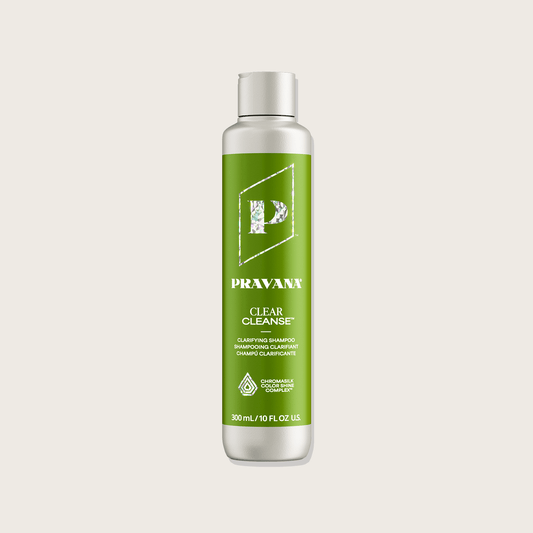
Begin with the wash step that suits your scalp and lengths. Match the exact formula to your goal; a shampoo and a leave-in have different jobs.

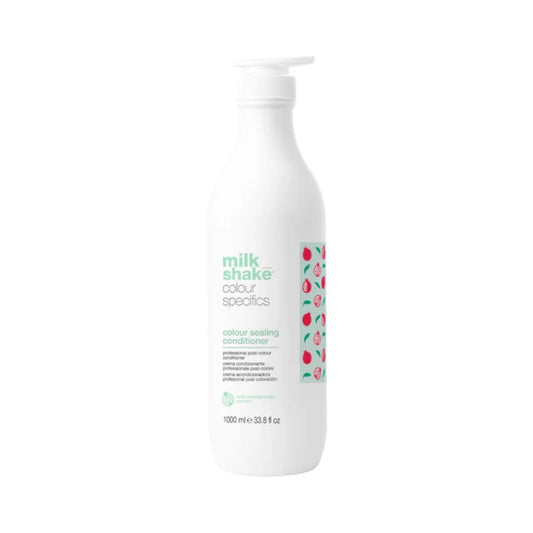
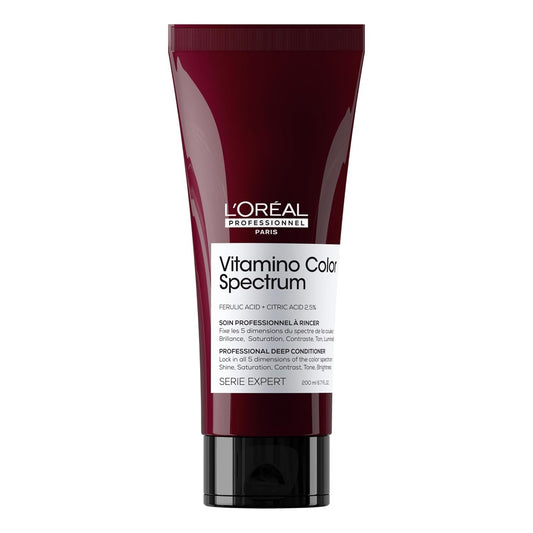
Compare the conditioning texture and detangling role, then follow the selected bottle for application and rinsing. Use lighter amounts where hair loses body easily.

Compare the purpose and application of the exact treatment. Follow its instructions for placement, contact time and rinsing before combining it with the rest of your routine.

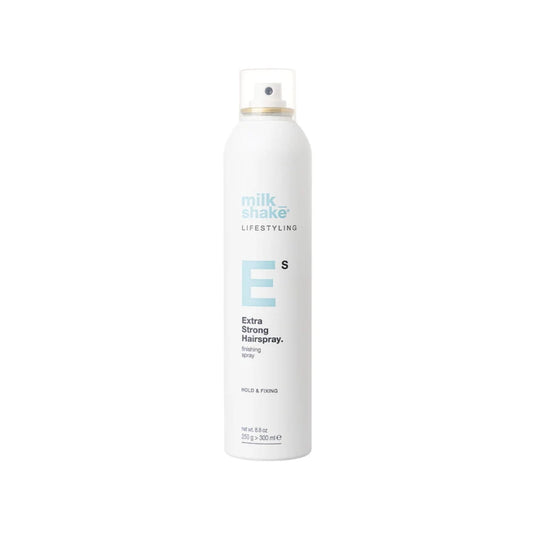
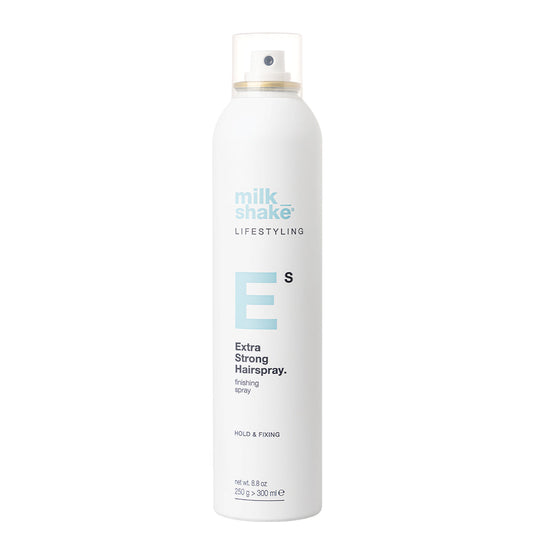
Finish the shape you have created. A hold spray and a shine mist are different choices; use the exact spray’s distance, hair state and heat directions.

These are technical service products or associated preparation and finishing steps. Match the exact system, service and manufacturer protocol before choosing; they do not share one universal home routine.

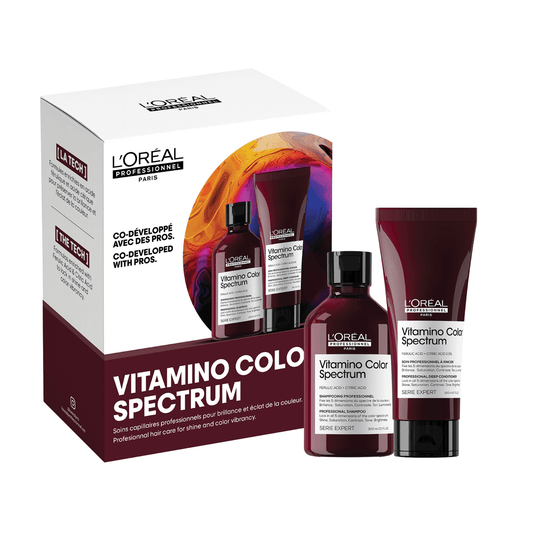
Compare the exact products and sizes included in each set. Check each component’s role before choosing additional care or styling products.
Stylist-built · coordinated step by step
Products selected to work together.
Bain de Terre
This routine is designed for colour-treated hair that needs protection from fading. Using the best professional formulas in the category, you can expect vibrant colour, extended...
L'Oréal Professionnel
Formulated to address breakage and color fade. Powered by L'Oréal Professionnel's salon-grade technology. This 5-step routine gives you a complete, professional-grade regimen in...
L'Oréal Professionnel
This routine is designed for colour-treated hair that needs protection from fading. Using L'Oréal Professionnel's salon-grade technology, you can expect vibrant colour, extended...
L'Oréal Professionnel
This routine is designed for colour-treated hair that needs protection from fading. Using L'Oréal Professionnel's salon-grade technology, you can expect vibrant colour, extended...
Professional By Fama
Three steps: Soothing Treatment on dry scalp before washing, Nutri Chelating Shampoo, then Instant Shield on damp hair before styling. Follow each product’s directions. Products...
Wella Professionals
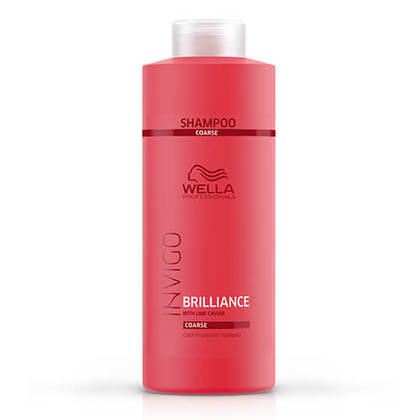
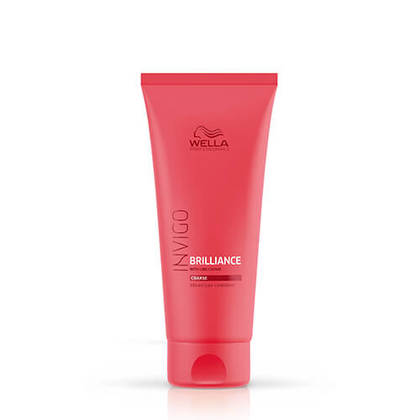
The whole Brilliance line splits by hair diameter, and this is the coarse-hair side of it: richer emulsions that coarse, colour-treated hair can actually absorb. Lime caviar and...
Bonacure
Biolage
Use these 3 together. Biolage's Cleanse-Condition-Prep for fine hair: the root-lift spray is the prep step, and it only works on damp roots.
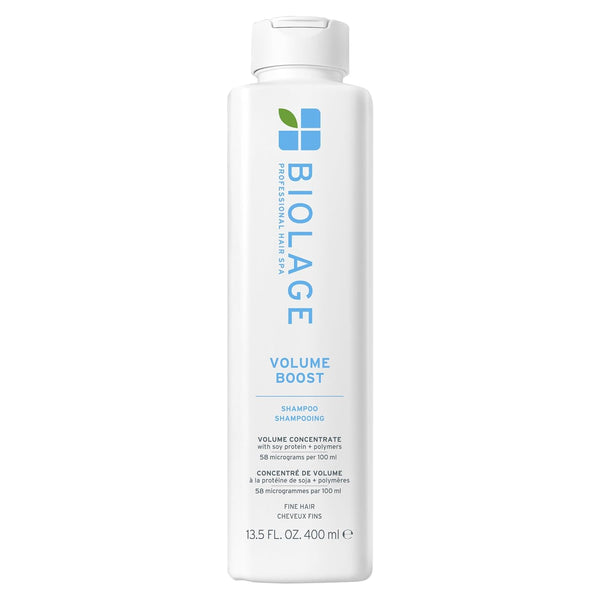 Cleanse — Every washEvery wash
$17.00
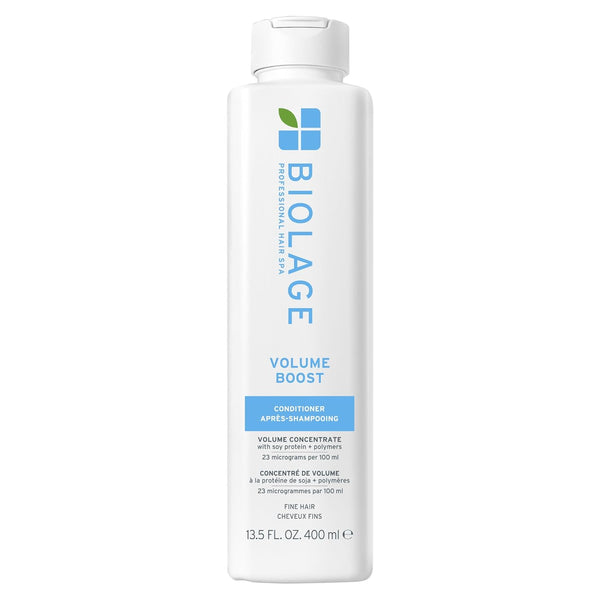 Condition — Every washEvery wash
$17.00
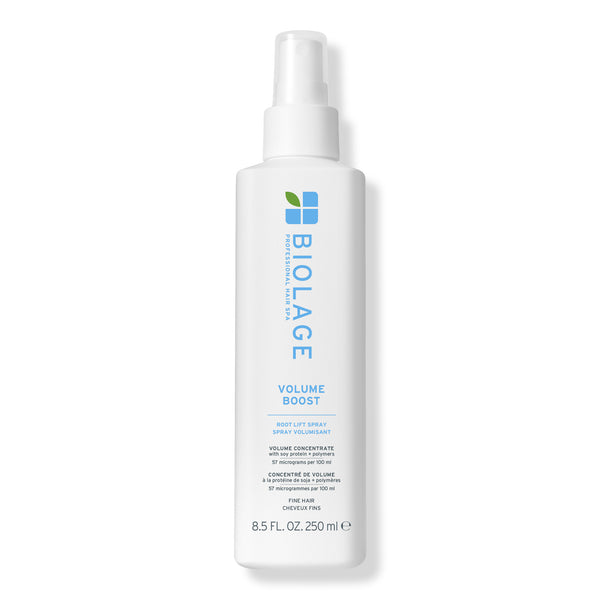 Style — On damp roots, before dryingOn damp roots, before drying
$18.00
Matrix
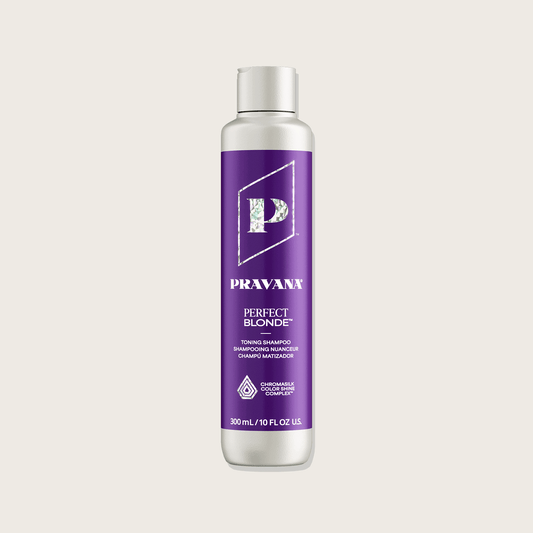
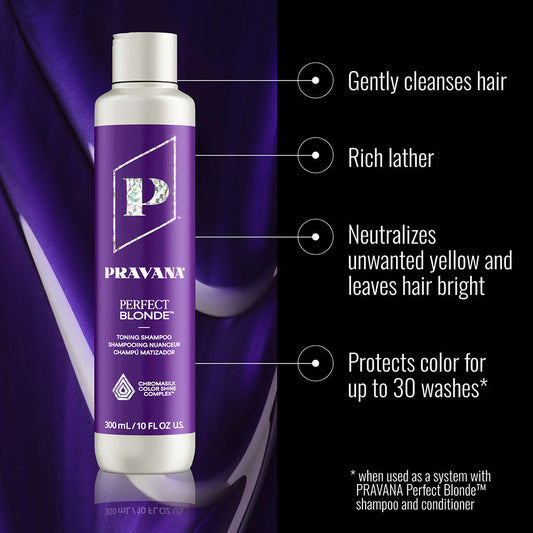
Purple toning for blonde, grey and silver hair, in the order colourists use it: the clarifying purple shampoo neutralises brass, the conditioner puts back what lightening cost t...
Understanding what your hair is going through
Watching a colour you love lose depth after only a few washes is frustrating—especially after the time and investment of a salon service. Colour fade is often a combination of pigment loss, porosity and daily exposure, not simply the wrong shampoo.
The technical view
Oxidative colour changes the fibre so new pigment can form inside it. Washing, UV exposure, heat and a more porous cuticle can then allow colour molecules to escape or shift more quickly. Mineral deposits and surface roughness can also make the shade look flatter or warmer.
Ingredient intelligence
These ingredient families explain the strategy. Exact ingredients and concentrations vary by formula and size, so always check the product label.
Lower-pH conditioners can help the cuticle lie flatter after cleansing, improving shine and reducing the rough, swollen feel associated with porous colour-treated hair.
Formula-dependent antioxidants and UV filters help limit some environmental stress on colour. They complement heat control and physical sun protection.
Conditioning agents deposit preferentially on damaged areas, improving slip and helping the fibre feel smoother and less absorbent.
Realistic results
A smoother, better-conditioned surface reflects light more evenly, helping colour look fresher.
Gentle cleansing, lower water temperature and heat protection can help preserve depth longer than cleansing alone.
Managing porous ends helps reduce the sharp contrast between fresh roots and faded lengths.
Expert note: Wash temperature, frequency, UV exposure and hot tools can influence colour longevity as much as the bottle. A colour-safe routine works best alongside those habits.
Professional cosmetic guidance, not a medical diagnosis. Persistent scalp symptoms, sudden shedding or patchy hair loss should be assessed by a qualified health professional.










Before you buy
Start with how the lengths feel. Lighter care can suit fine, dry hair; a richer conditioning texture may be a better match for more substantial lengths.
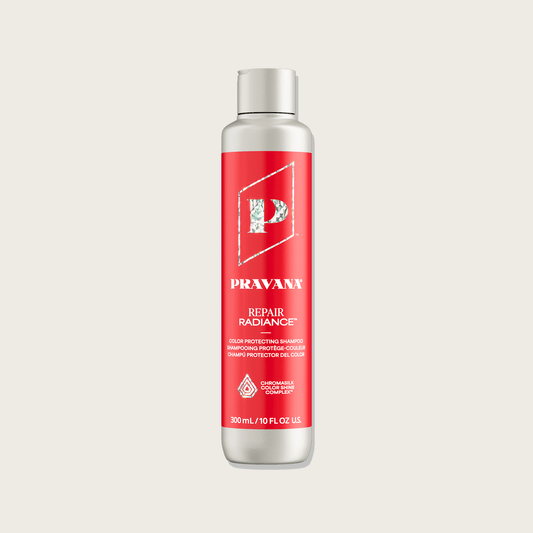
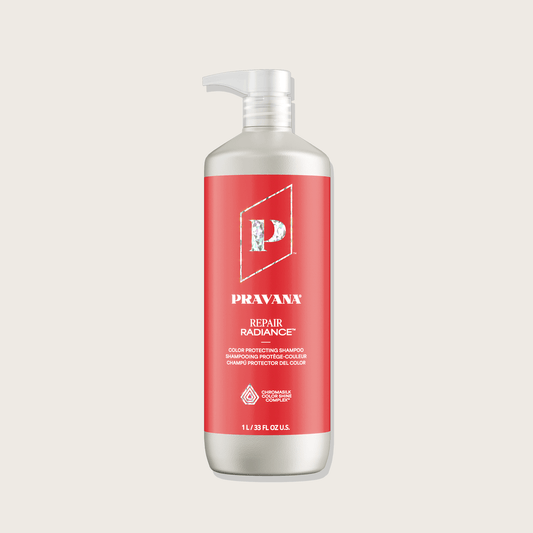
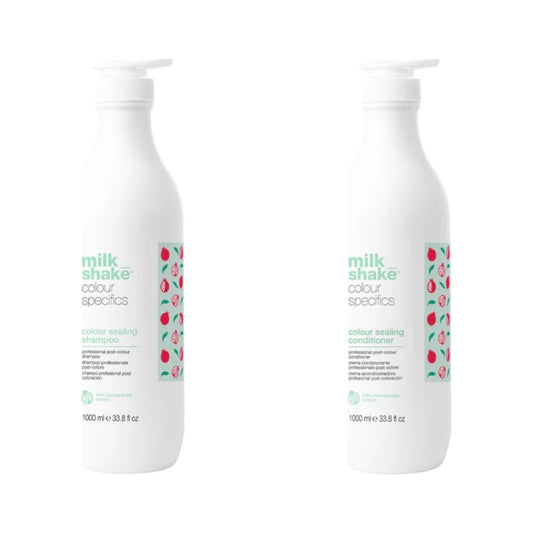
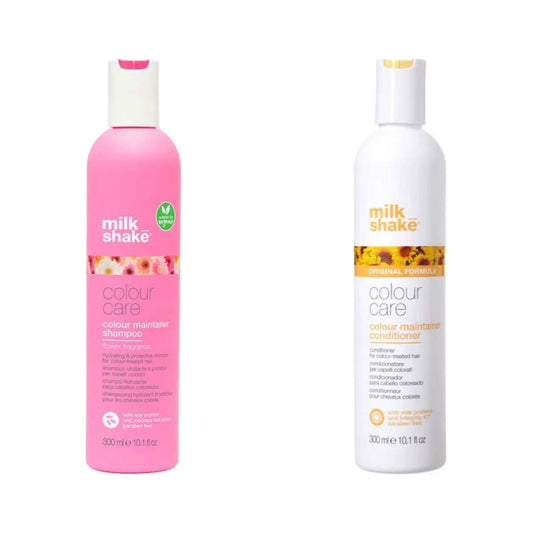
A colour-care shampoo and a pigmented toning shampoo are different choices. Choose a toning product only for the shade and directions named on that formula.
Colour-treated hair can also need strengthening or detangling care. Choose a formula that names both needs rather than assuming every colour product has the same repair role.
Guides
Questions