
Choose your cleanser
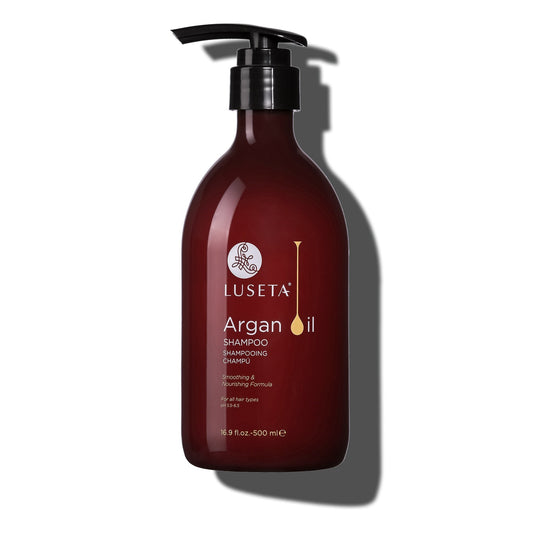
Choose a cleanser for your roots as well as your lengths.

Care now. Prepare the next style.
Shop by range
Choose a cleanser for your roots as well as your lengths.

Use the selected conditioner as directed, concentrating on the areas that need slip and softness.

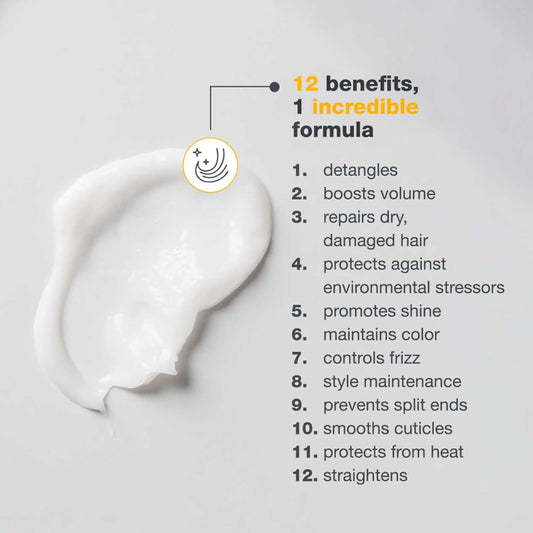
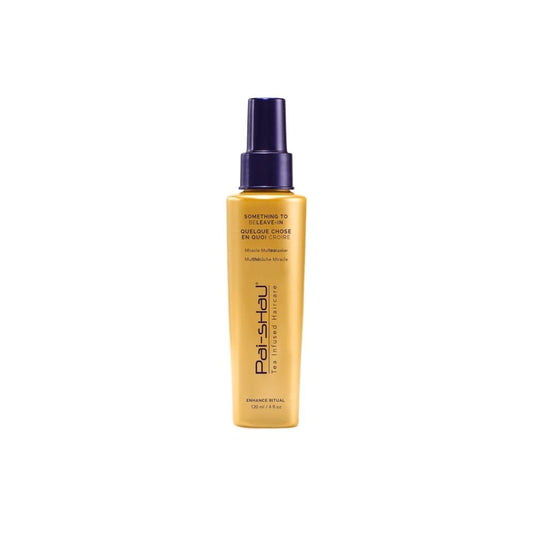
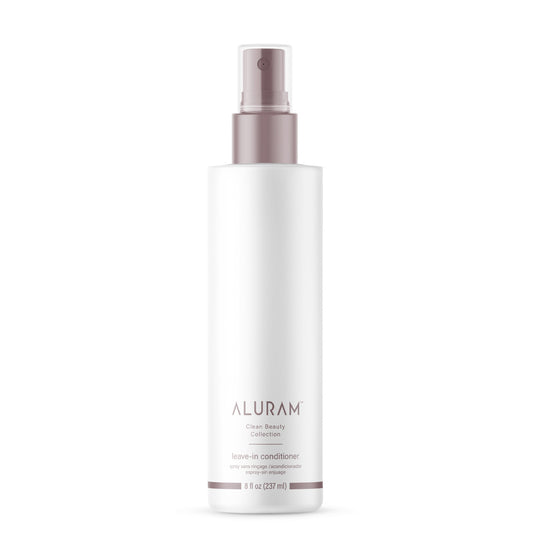
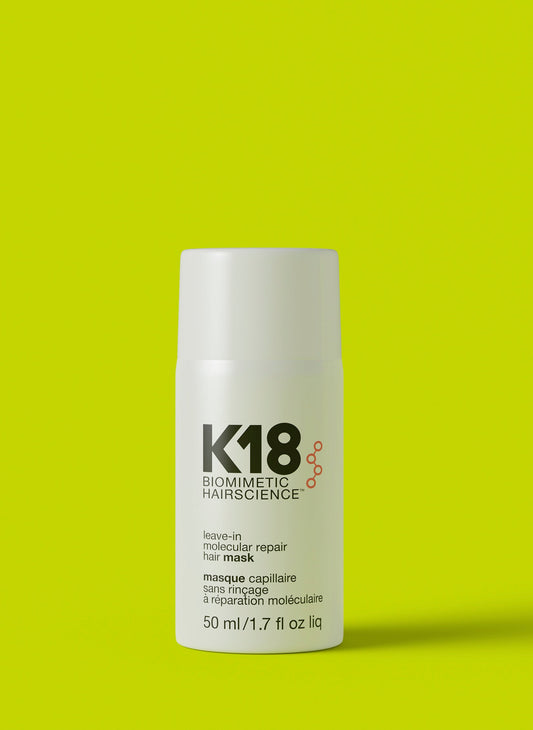
A leave-in stays in the hair, unlike a rinse-out conditioner.

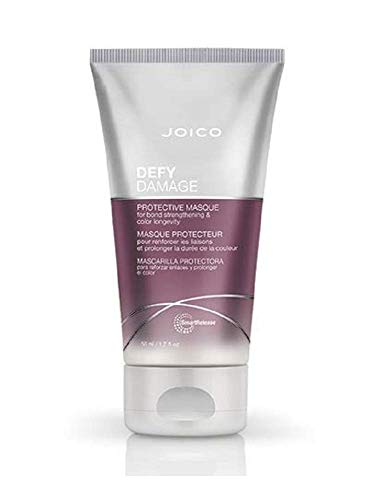
Identify the job before the texture: a rinse-out mask, pre-shampoo treatment, leave-in serum and styling cream occupy different steps.

Read the contents and select the size on the product page.

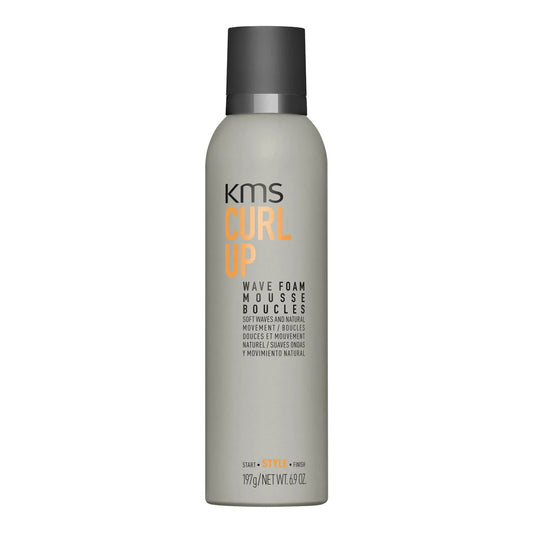
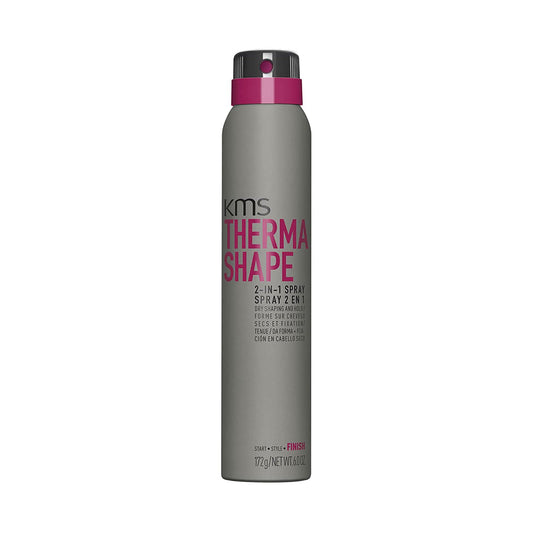
Choose the finish you want to keep: light movement, defined shape or firmer hold.

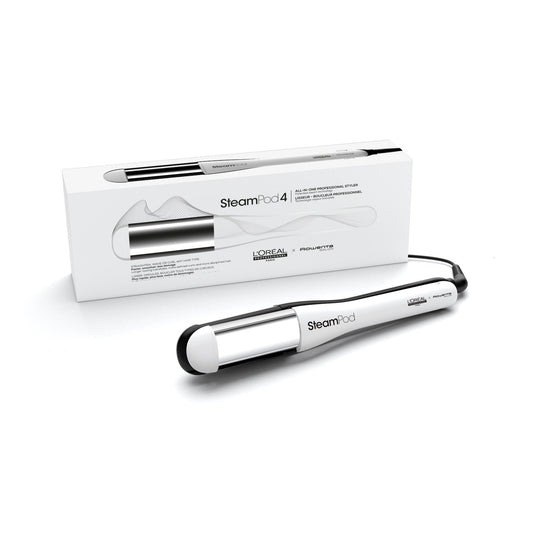
Match the tool to your technique and read its instructions.

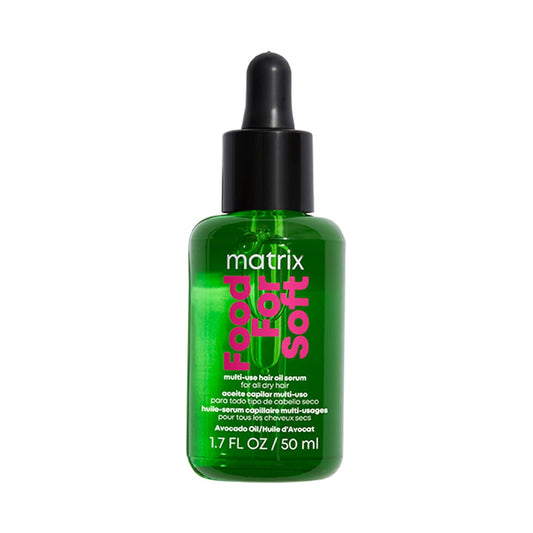
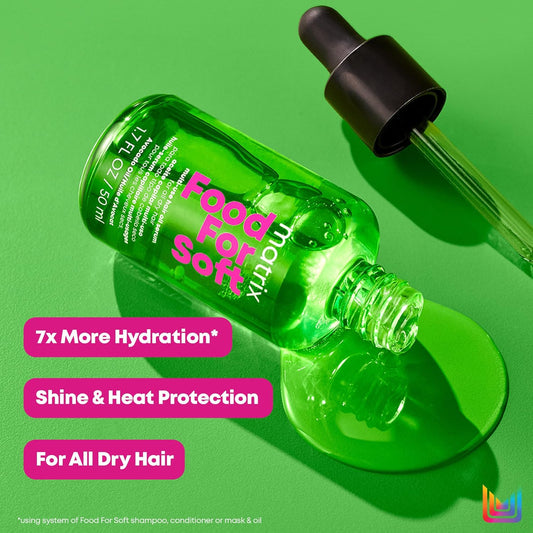
Check whether the selected oil or serum belongs on the scalp, damp lengths or dry ends.

These technical treatments are separate from the home routine above.
Stylist-built · coordinated step by step
Products selected to work together.
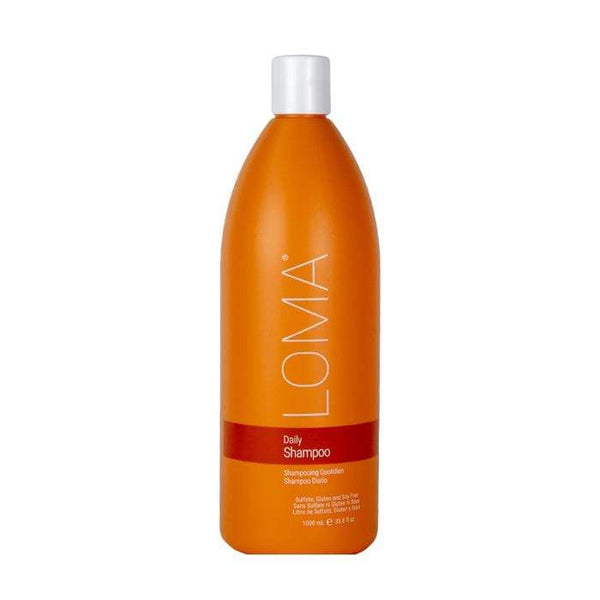
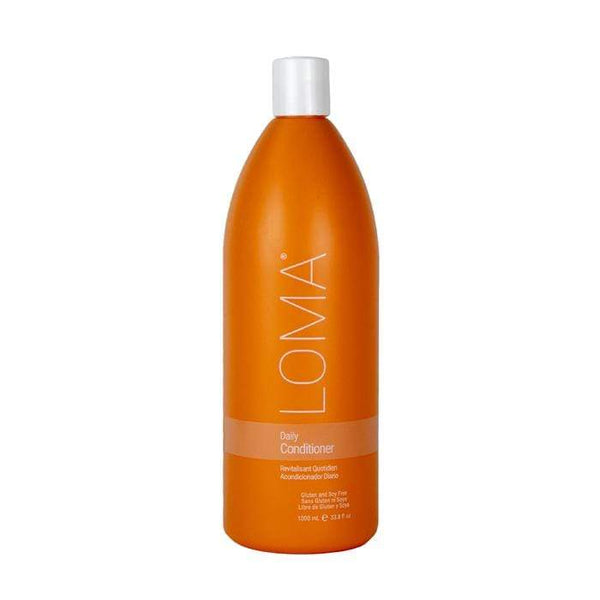
Loma
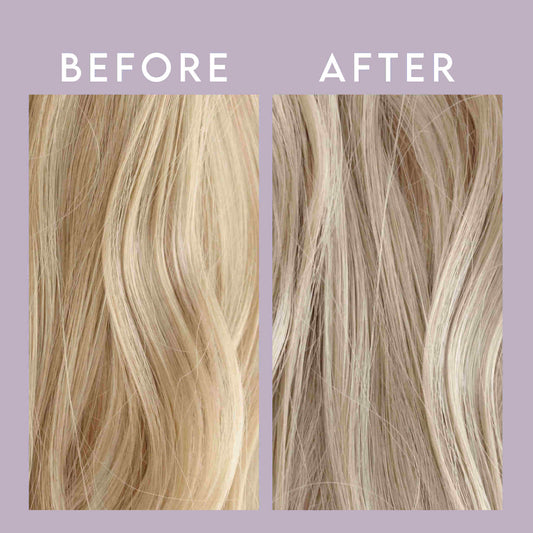
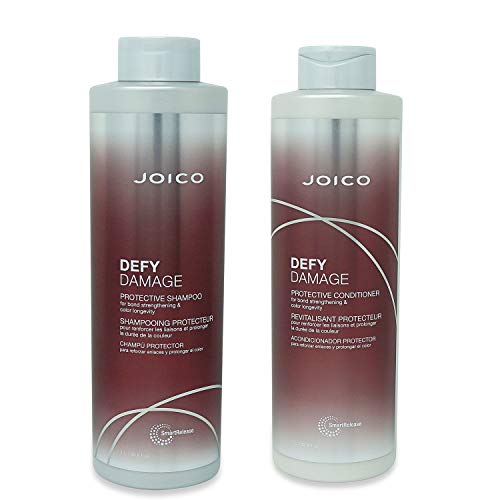
Formulated to address heat damage, color fade and damage. This 3-step routine gives you a complete, professional-grade regimen in one bundle. Expect reinforced protection, reduc...
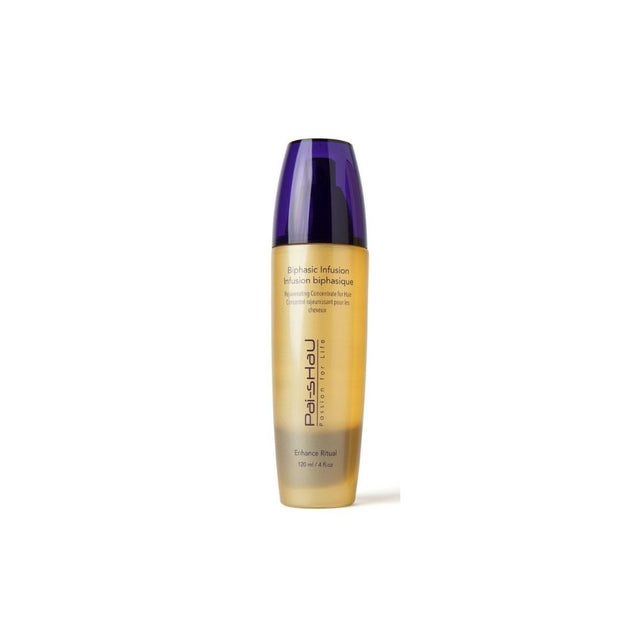
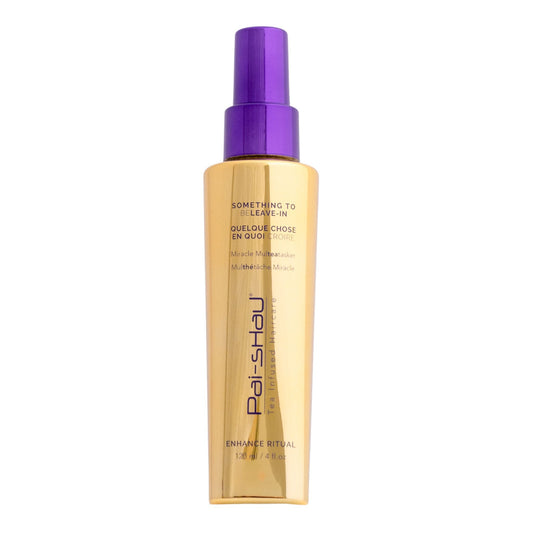
Pai-Shau
Use these 3 together. Density work happens at the scalp, so the leave-in step is the one that matters and the wash steps exist to clear the way for it. Skipping the leave-on tre...
 Cleanse — Every washEvery wash
$18.00
 Condition — Every washEvery wash
$18.00
 Style — On damp hair, before dryingOn damp hair, before drying
$17.00
Understanding what your hair is going through
When pieces keep appearing on your clothes or your ends never seem to gain length, it can feel as though your hair has stopped cooperating. Breakage is not a personal failure; it is a sign that the fibre is carrying more stress than its structure can comfortably absorb.
The technical view
Breakage is a physical fracture along the hair shaft, not the same process as shedding from the root. Repeated heat, bleaching, friction and tight styling can wear away the cuticle and weaken the keratin-rich cortex underneath. Once stress concentrates in a fragile area, the strand splits or snaps.
Ingredient intelligence
These ingredient families explain the strategy. Exact ingredients and concentrations vary by formula and size, so always check the product label.
Small protein fragments and amino acids can form a supportive film and improve the feel of porous areas. They do not make damaged hair biologically new, but they can improve resilience and handling.
Cationic polymers and conditioners reduce the force needed to comb and style. Less friction means fewer opportunities for a weakened strand to fail.
Lipid-rich conditioners lubricate the cuticle and help reduce roughness between fibres, supporting smoother movement and more flexible ends.
Realistic results
Improved slip can make detangling gentler immediately, which matters because mechanical stress is a major source of breakage.
Consistent conditioning plus lower heat and less tension can reduce new breakage, even though existing splits cannot permanently fuse.
Protecting new growth and trimming severely split ends gives retained length a better chance to become visible.
Expert note: A product can temporarily reinforce and protect damaged fibre, but no cosmetic can permanently restore a split strand to its untouched state. Technique is part of the treatment.
Professional cosmetic guidance, not a medical diagnosis. Persistent scalp symptoms, sudden shedding or patchy hair loss should be assessed by a qualified health professional.










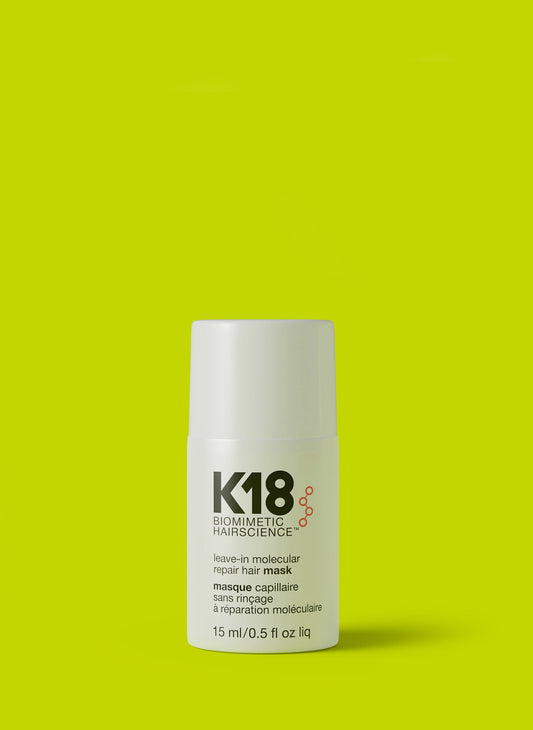
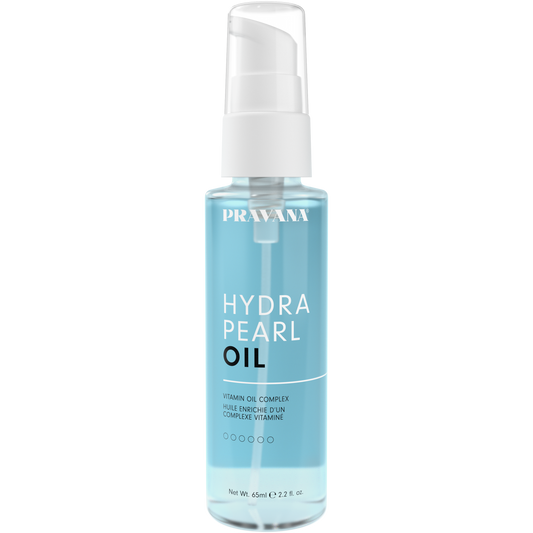
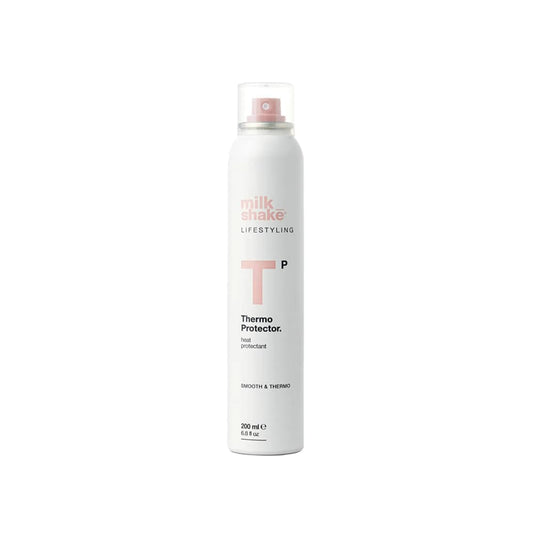
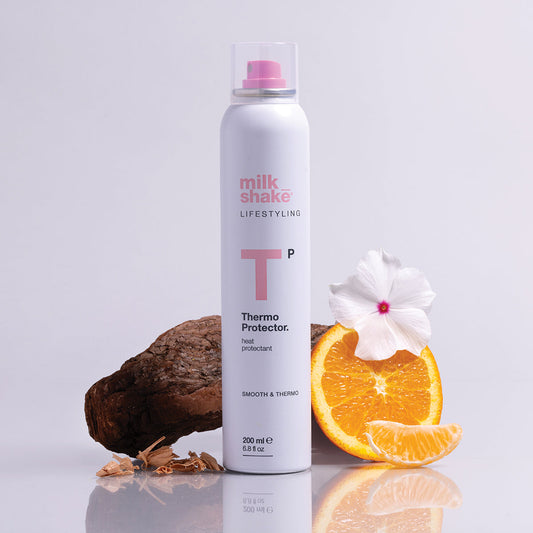



Before you buy
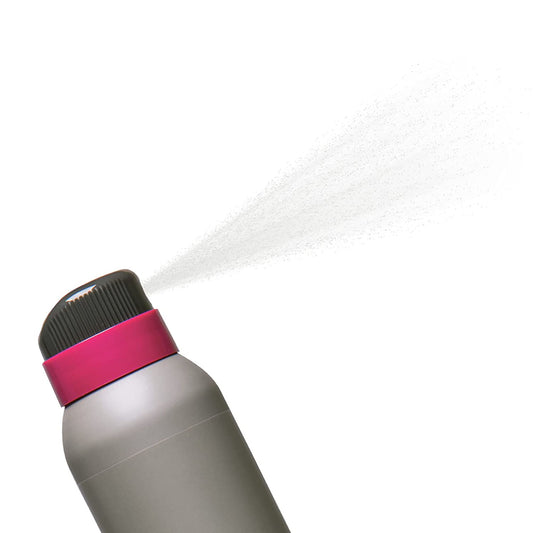
Miracle Hair Rescue is used on clean, towel-dried hair. Wait 90 seconds before styling or adding another product; do not rinse. This timing belongs to the selected Wella treatment, not every product on the page.
Extreme Play Safe is a leave-in cream for clean, damp hair before blow-drying or heat styling. Follow the product and tool instructions together: a protection threshold is not your recommended tool temperature.
This Bodyguard listing is the fine-and-thin-hair formula. Compare the named formula rather than assuming every Bodyguard bottle is identical; follow its application directions before your chosen tool.
Guides
Questions