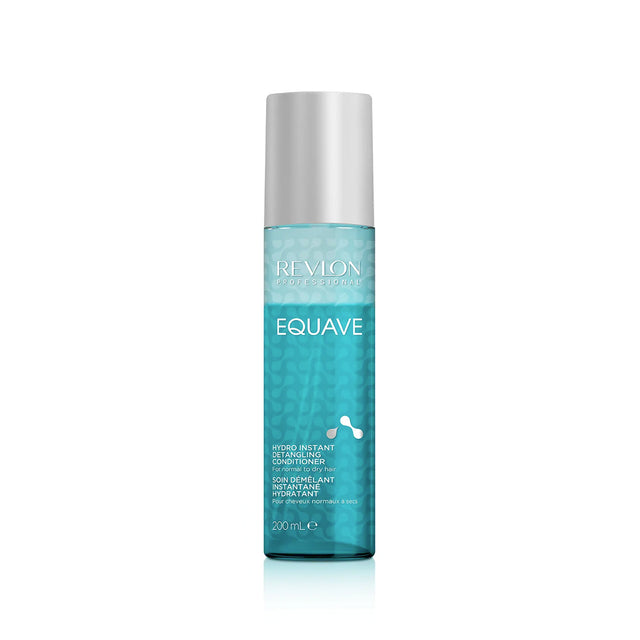
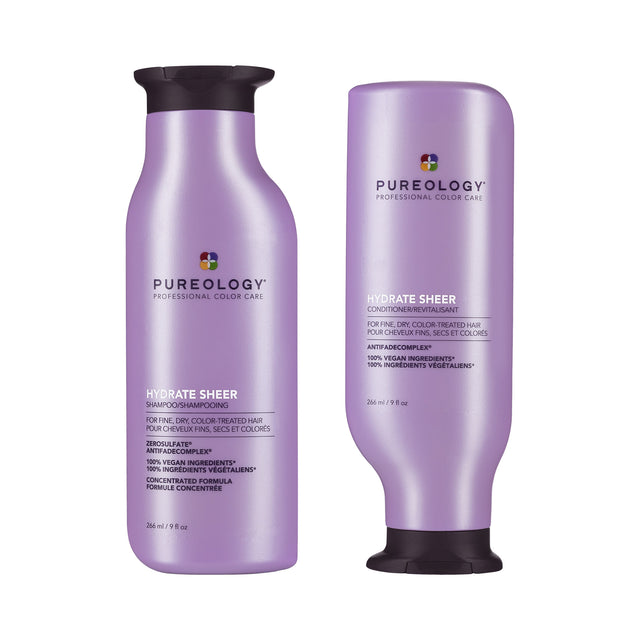
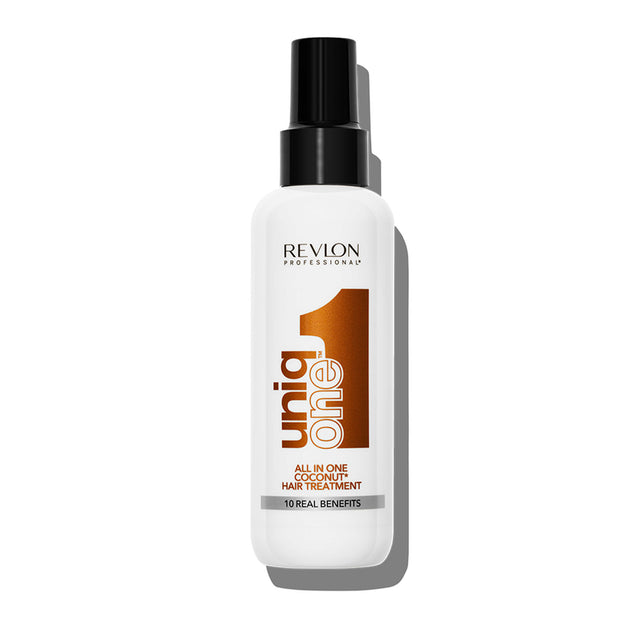

Dryness: softness and conditioning weight
Choose moisture care by strand thickness and how much richness the lengths need.

Moisture, repair and product weight
Shop by range
Choose moisture care by strand thickness and how much richness the lengths need.

Compare treatment roles and timing against the hair’s chemical, heat and styling history.

Choose a cleanser for your roots as well as your lengths.

Use the selected conditioner as directed, concentrating on the areas that need slip and softness.
A leave-in stays in the hair, unlike a rinse-out conditioner.

Identify the job before the texture: a rinse-out mask, pre-shampoo treatment, leave-in serum and styling cream occupy different steps.

Read the contents and select the size on the product page.

Choose the finish you want to keep: light movement, defined shape or firmer hold.

Check whether the selected oil or serum belongs on the scalp, damp lengths or dry ends.

Choose the exact scalp application: a cleanser, exfoliating treatment and leave-on serum have different jobs.
Understanding what your hair is going through
Dry hair can make every part of your day feel harder: detangling takes longer, ends look tired soon after styling, and softness seems to disappear. That does not mean your hair is bad—it means the fibre needs better water retention, lubrication and protection.
The technical view
The hair fibre relies on an overlapping cuticle and a lipid-rich surface to slow water loss and reduce friction. Heat, chemical services, weather and repeated washing can disturb that barrier. The surface becomes rougher, strands catch on one another and light reflects less evenly.
Ingredient intelligence
These ingredient families explain the strategy. Exact ingredients and concentrations vary by formula and size, so always check the product label.
Glycerin, panthenol and similar humectants help hold water around the fibre, improving flexibility and softness when balanced within a conditioning formula.
Positively charged conditioning agents are drawn to more damaged areas. They reduce combing friction, static and the rough feel caused by a raised cuticle.
Plant oils, ceramide-like lipids and fatty alcohols lubricate the surface and help slow moisture loss, supporting smoother ends and more even shine.
Realistic results
Hair should feel easier to detangle and less rough once conditioning agents have coated high-friction areas.
A repeatable cleanse–condition–treat rhythm can reduce the cycle of tangling, rough handling and moisture loss.
Gentler heat, careful detangling and regular treatment help preserve the improvement between wash days.
Expert note: Moisture and protein are not opposites. Very porous or chemically treated hair may benefit from both, but softness and flexibility—not a rigid schedule—should guide the balance.
Professional cosmetic guidance, not a medical diagnosis. Persistent scalp symptoms, sudden shedding or patchy hair loss should be assessed by a qualified health professional.


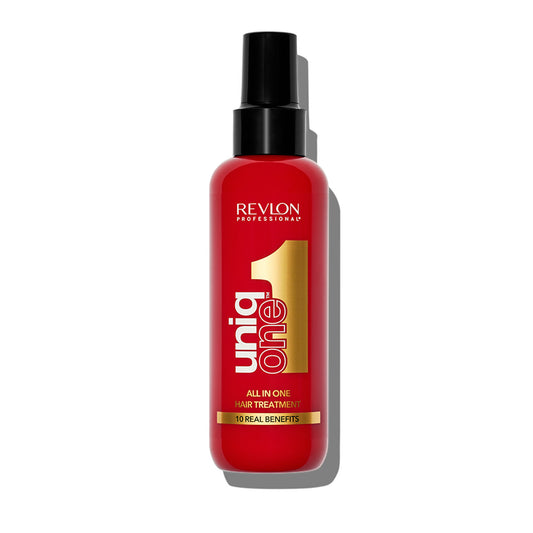
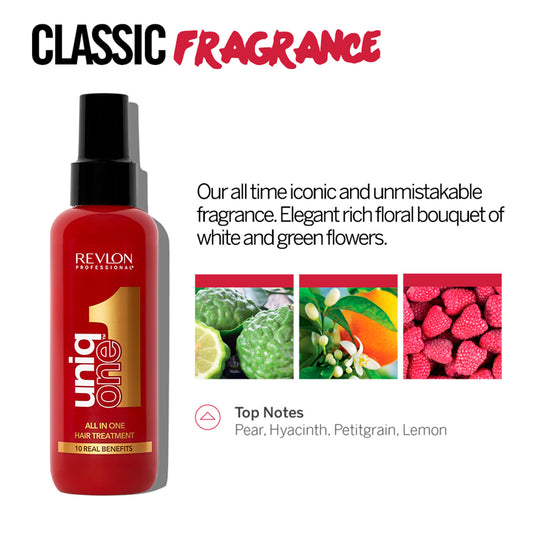


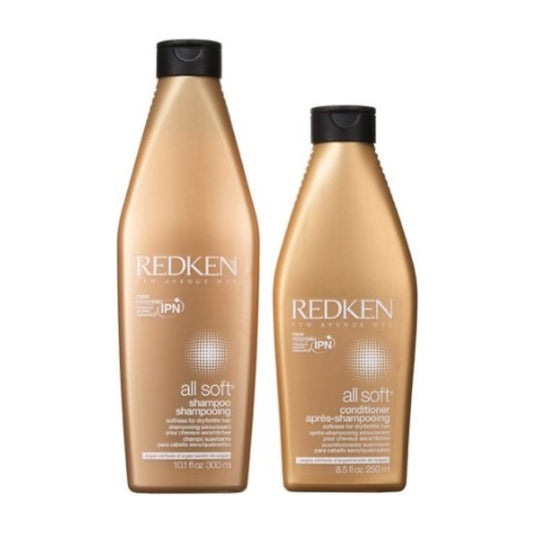
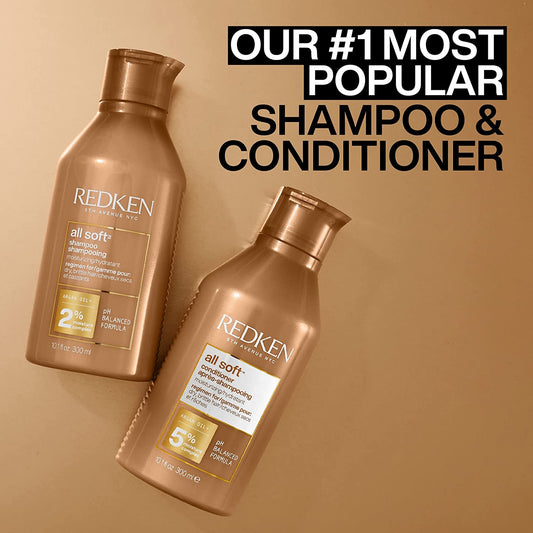

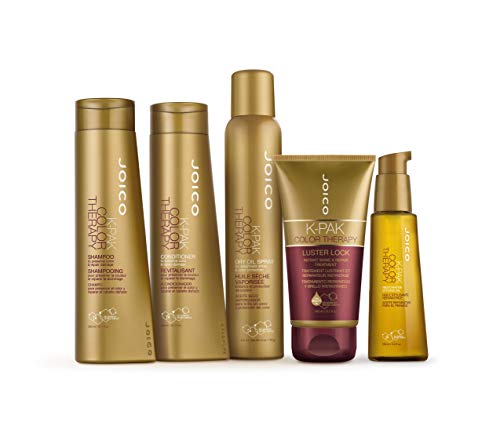
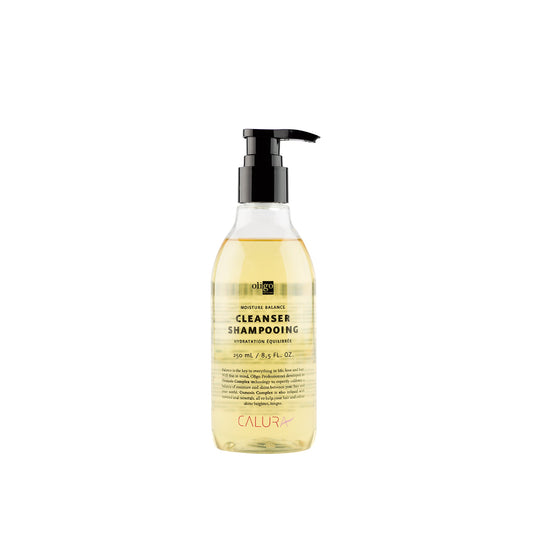







Before you buy
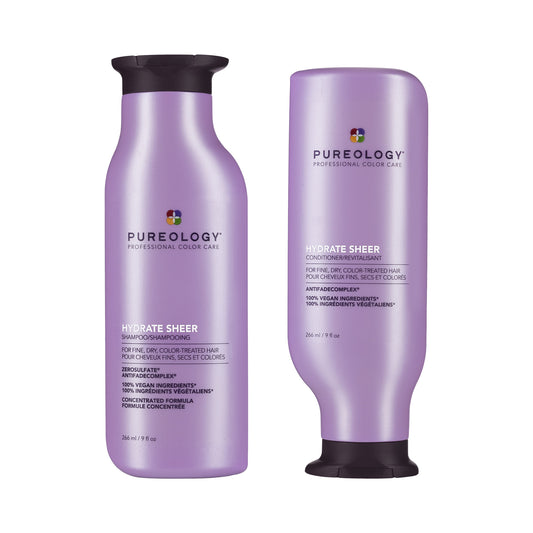
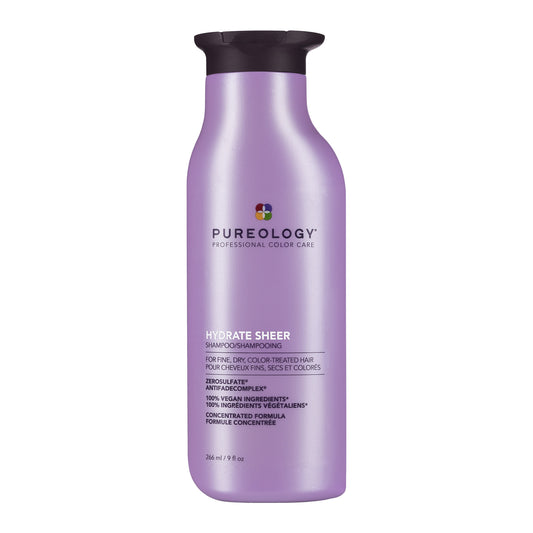
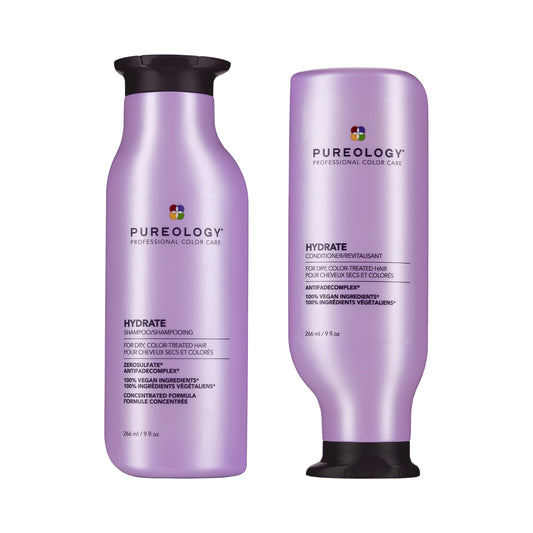
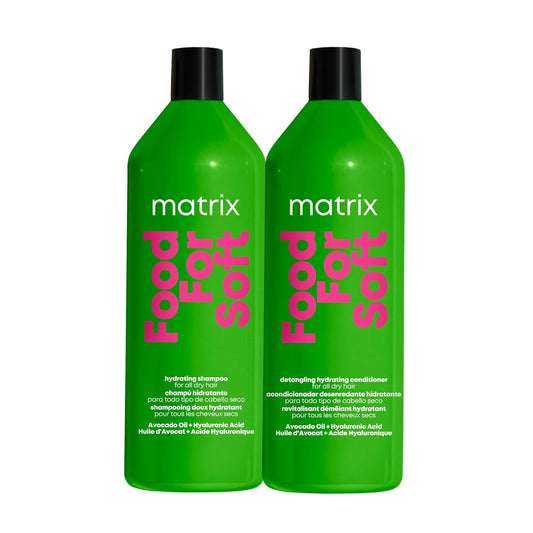
Hydrate Sheer pairs shampoo and conditioner for fine, dry, colour-treated hair. Compare this lighter wash routine before assuming dry hair needs the richest mask. The duo contains two separate steps; select the listed size and follow each bottle’s directions.
Hydro Rush Intense Moisture Mask targets dry, textured or coarse hair. Amika directs it through mid-lengths and ends after excess water is removed, with 5–10 minutes before rinsing. This is a rinse-out mask, distinct from the Hydro Rush leave-in spray.
The Kure Intense Bond Repair Mask is the repair-focused choice in this comparison. Amika’s referenced directions specify 10 minutes before rinsing. Choose it for that treatment role; avoid adding multiple rich masks simply because dryness and damage overlap.
Guides
Questions